

Wireless IoT Monitoring Solution
This wireless IoT monitoring solution is used for remote pressure, differential pressure, level, and temperature monitoring in smart petroleum, smart water, smart gas, smart heating, and smart fire protection applications. Wireless instruments collect field data without complex wiring, while the gateway supports data output and system integration.
Measurement Points:
- Wireless pressure monitoring
- Wireless differential pressure monitoring
- Wireless level monitoring
- Wireless temperature monitoring
- Remote field data collection
- Gateway communication and data output
Recommended Wireless Pressure Transmitter
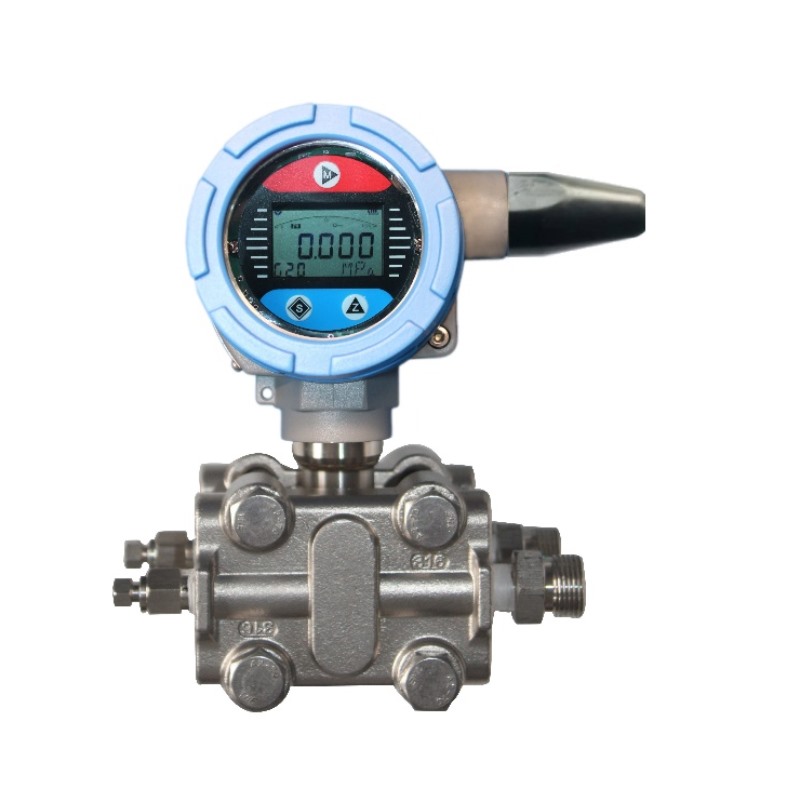
The ADDA-P-WX wireless differential pressure transmitter is developed for pressure and level monitoring in smart petroleum, smart water, smart gas, smart heating, and smart fire protection applications. It uses low-power wireless communication, requires no wiring, supports local or remote parameter setting, and provides IP67 sealed waterproof protection.
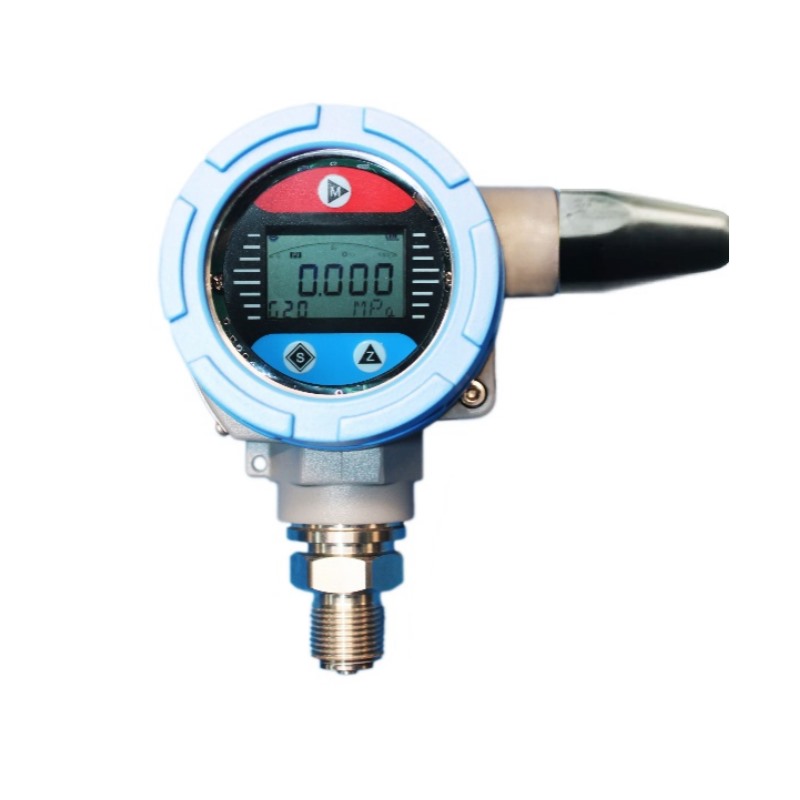
The ADDA-P-WX wireless pressure transmitter is designed for pressure and level monitoring in smart petroleum, smart water, smart gas, smart heating, and smart fire protection scenarios. Product details describe low-power wireless communication, no-wiring installation, local or remote parameter setting, LCD display, IP67 protection, and optional wireless communication methods.
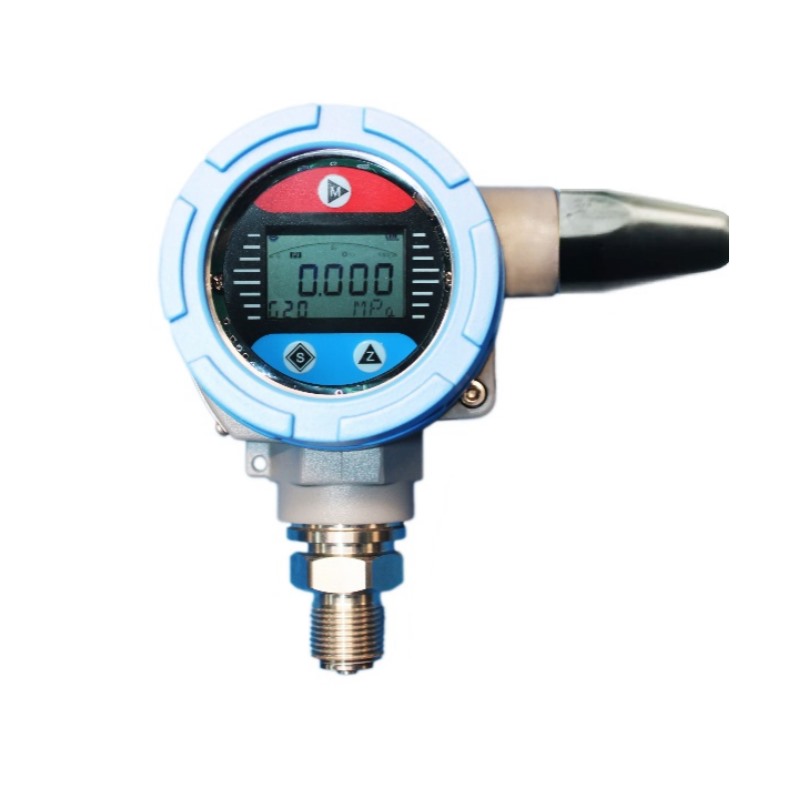
The smart wireless pressure transmitter is based on diffused silicon piezoresistive measurement technology and is used for wireless pressure and level monitoring. It supports low-power wireless communication, local or remote parameter setting, LCD display, IP67 sealed waterproof design, and applications including smart petroleum, water, gas, heating, and fire protection.
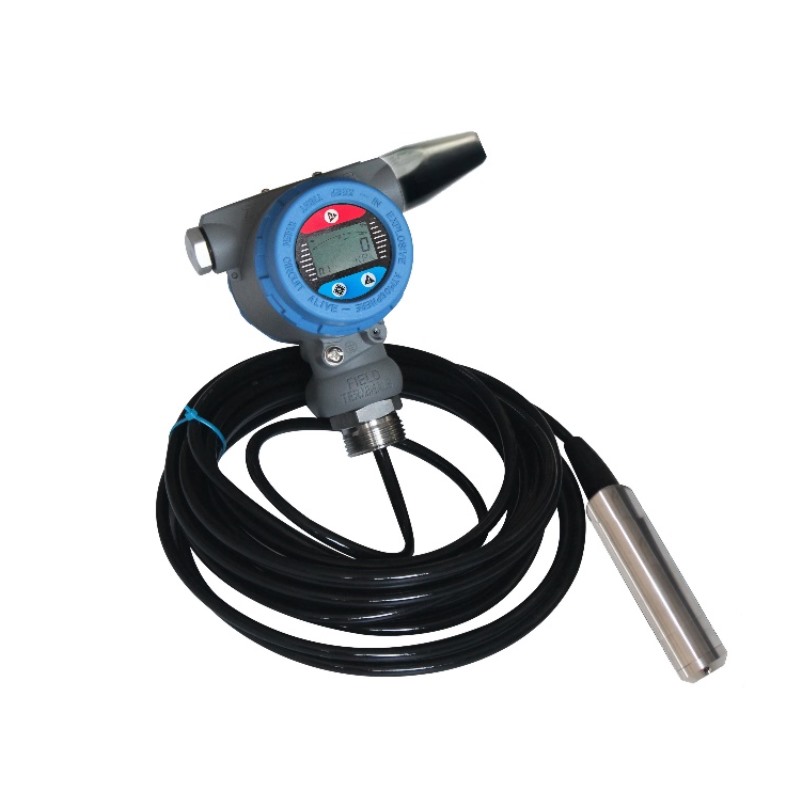
The wireless submersible level transmitter is designed for level monitoring in smart petroleum, smart water, smart heating, and smart fire protection applications. Product details describe diffused silicon piezoresistive or ceramic sensor options, low-power wireless communication, no-wiring installation, LCD display, IP68 sealed waterproof protection, and optional communication methods.
Recommended Wireless Level Transmitter

The ADDA-T-WX wireless temperature transmitter is designed for temperature monitoring in smart petroleum, smart water, smart gas, smart heating, and smart fire protection applications. It uses low-power wireless communication, supports local or remote parameter setting, displays temperature data and wireless parameters, and provides IP67 sealed waterproof protection.
Recommended Wireless Gateway
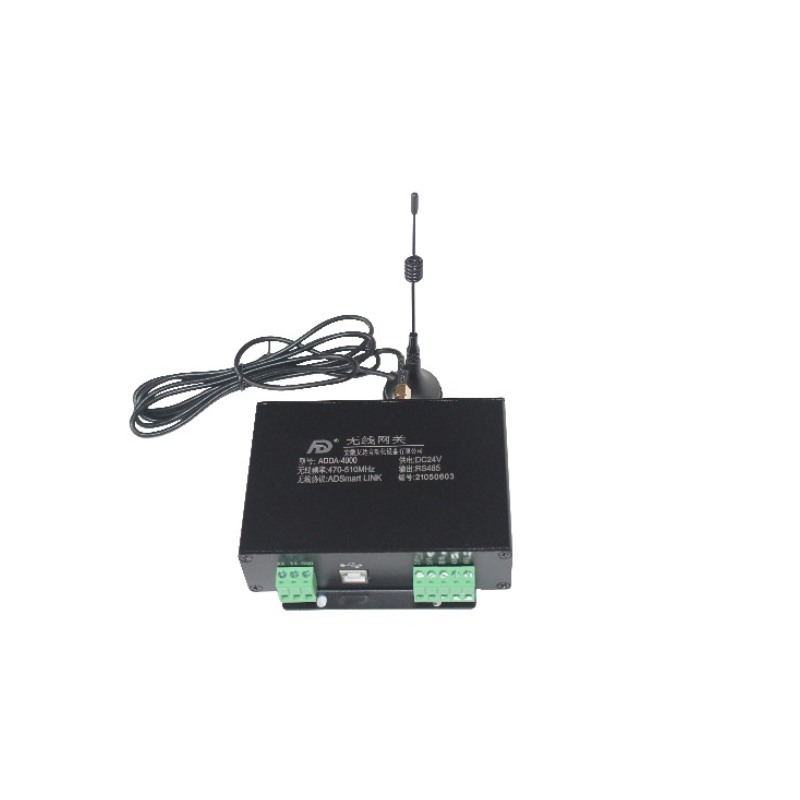
The ADDA-WG LoRa gateway supports wireless data collection and output for ADDA wireless instruments. Product details describe configurable wireless quantities, adjustable wireless intervals, USB, RS485, 4G, and Ethernet output options, Modbus communication protocol output, 24V DC power supply, and optional 8-channel 4-20 mA extension module.
Frequently Asked Questions
Ready To Discuss Your Wireless IoT Monitoring Project?
Share your monitoring points, measured medium, pressure or level range, temperature range, communication method, installation environment, and data output needs. Our team will help review suitable wireless instrument and gateway options.
Wireless pressure transmitters, wireless differential pressure transmitters, wireless submersible level transmitters, wireless temperature transmitters, and LoRa gateways are commonly used for remote field data monitoring.
Please provide the measured medium, measurement range, installation position, communication distance, data interval, power supply requirements, communication method, and whether gateway output or system integration is required.
According to the product information, ADDA wireless instruments can support communication methods such as Zigbee, LoRa, LoRaWAN, NB-IoT, and 4G depending on the selected configuration.
Yes. ADDA wireless instruments use low-power wireless communication and require no complex signal wiring, making them suitable for remote monitoring points or sites where cabling is difficult.
Yes. ADDA can review your monitoring points, wireless communication requirements, data interval, gateway output needs, and installation environment to help select suitable wireless transmitters and gateway configuration.