

Hydraulic Power Unit / Hydraulic Station
This hydraulic power unit measurement solution is used for hydraulic station equipment. Pressure transmitters are installed at multiple hydraulic circuit monitoring points to measure system pressure, while a float level meter is used for liquid level monitoring in the hydraulic tank.
Measurement Points:
- Hydraulic system pressure monitoring
- Pump outlet pressure monitoring
- Pipeline pressure monitoring
- Hydraulic tank level monitoring
Recommended Pressure Transmitters
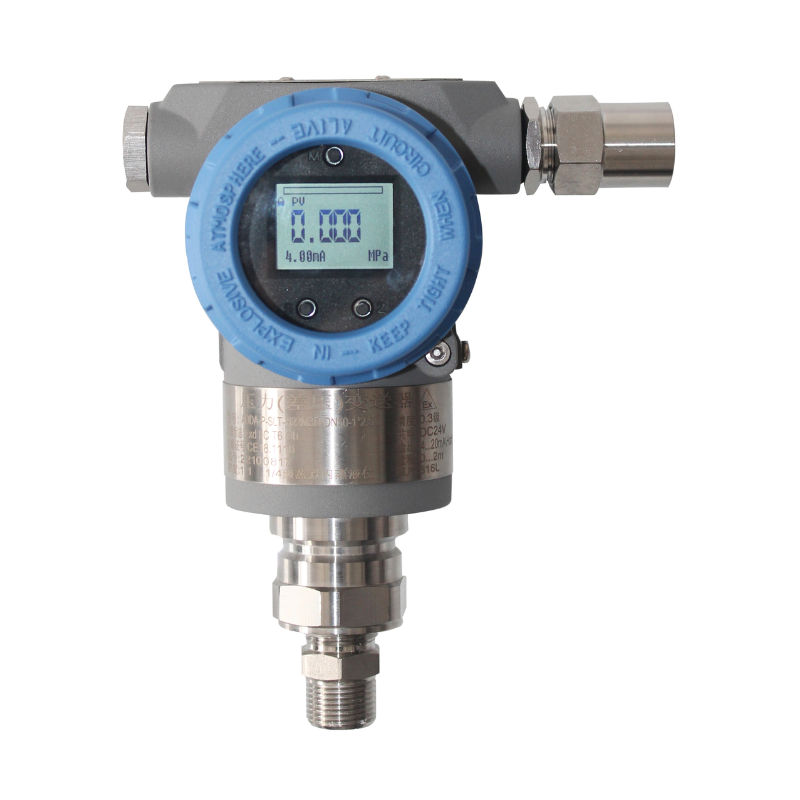
The ADDA-P Series smart gauge / absolute pressure transmitter uses monocrystalline silicon MEMS sensing technology with static pressure and temperature compensation. It supports pressure and level measurement. Available ranges and accuracy depend on the selected pressure type and sensor configuration.
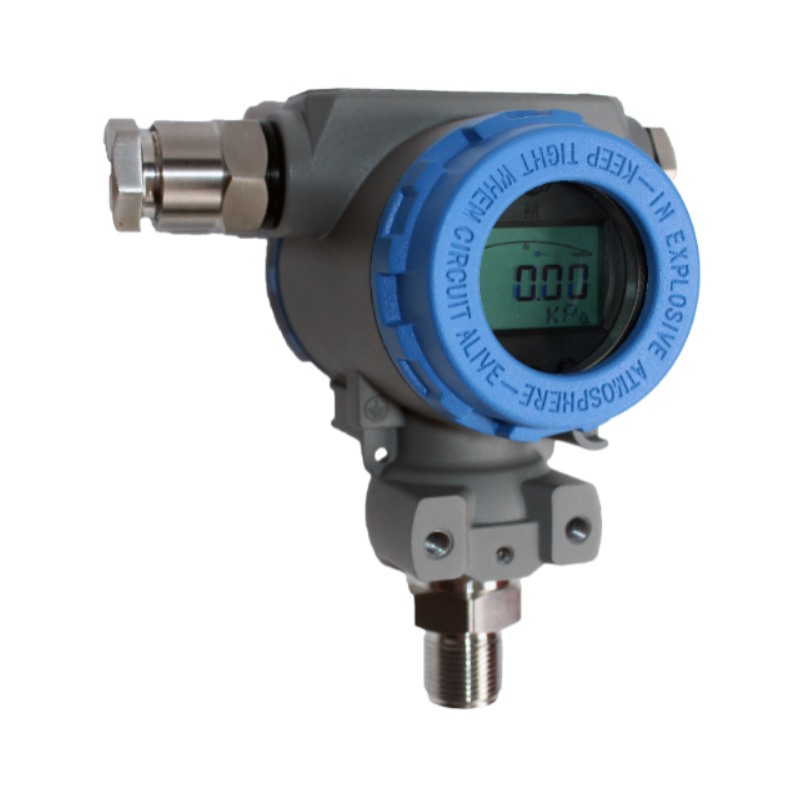
The ADDA-P Series smart absolute pressure transmitter uses diffused silicon piezoresistive sensing technology and an embedded signal processing module for static pressure and temperature compensation. It supports pressure and level applications with media compatible with the wetted materials. Refer to the model-specific range table when selecting a configuration.

The ADDA-P Series smart pressure transmitter uses diffused silicon, ceramic piezoresistive, or ceramic capacitive sensing technology for pressure and level measurement. An embedded signal processing module provides static pressure and temperature compensation. Available measuring ranges, protection ratings, and output options depend on the selected configuration.
Recommended Level Transmitters
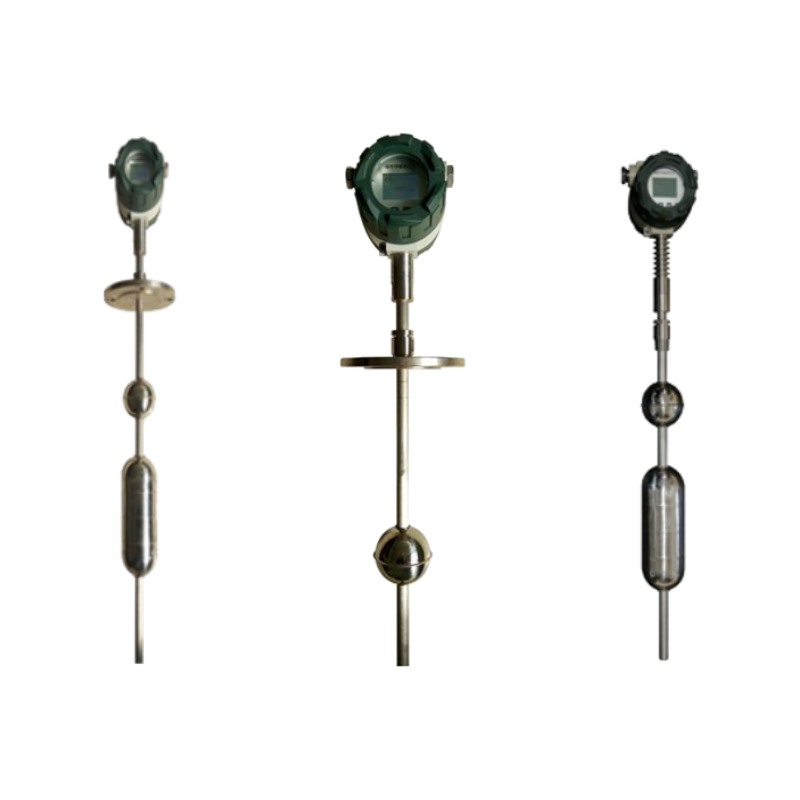
The ADDA-LE-65 Series magnetostrictive level meter is used for measuring liquid level and interface. The product details describe microprocessor and embedded system design, multiple probe forms, two-wire current output, HART or RS485 Modbus RTU, automatic backlight LCD display, and IP66/IP67 protection.
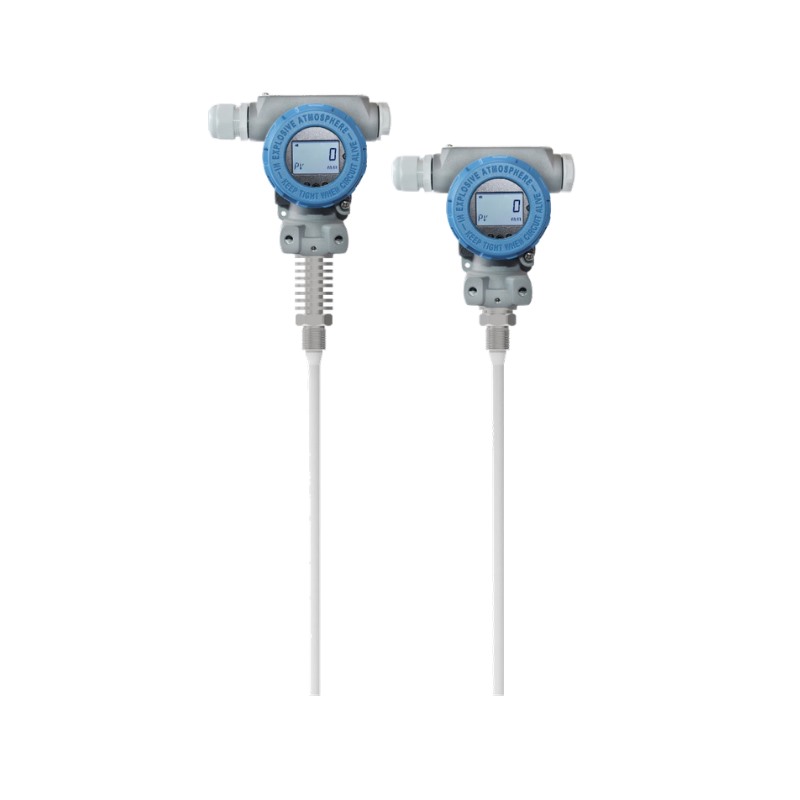
The ADDA-LE-66 Series RF capacitance level meter is used for liquid, oil, glue, solid, and interface measurement. Product details include two-wire 4~20mA output, optional wireless transmission, RS485 transmission, relay switch output, and applications in petrochemical, metallurgy, power, paper-making, and pharmaceutical fields.
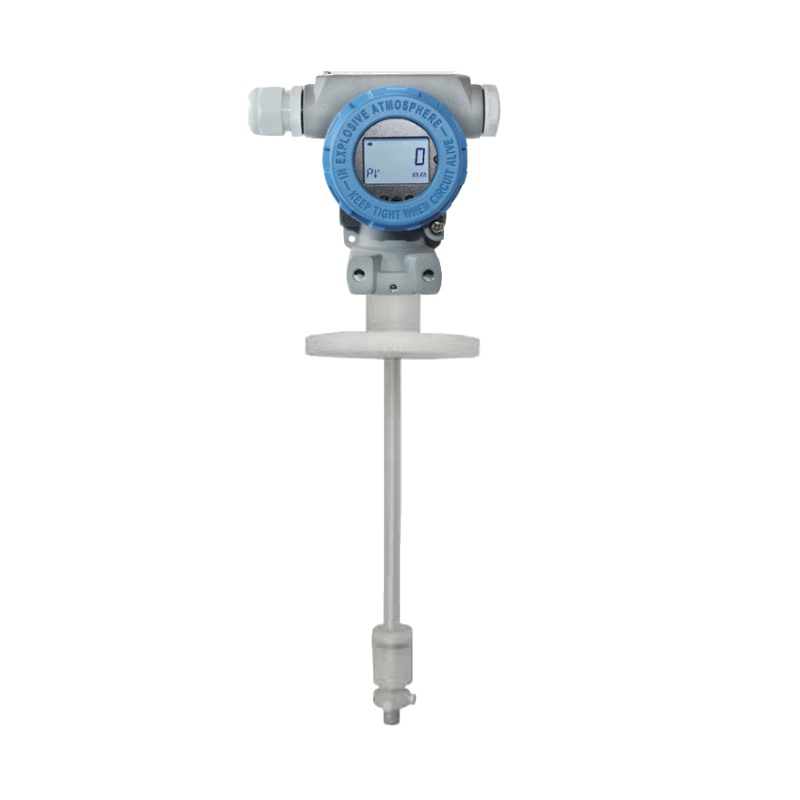
The ADDA-LE-67 Series float ball level meter uses a magnetic float as the measuring element and converts resistance changes into a 4~20mA standard current signal. Product details include stainless steel, PTFE, PP, and PVDF wetted materials, plus HART, RS485 Modbus, and switch output options.
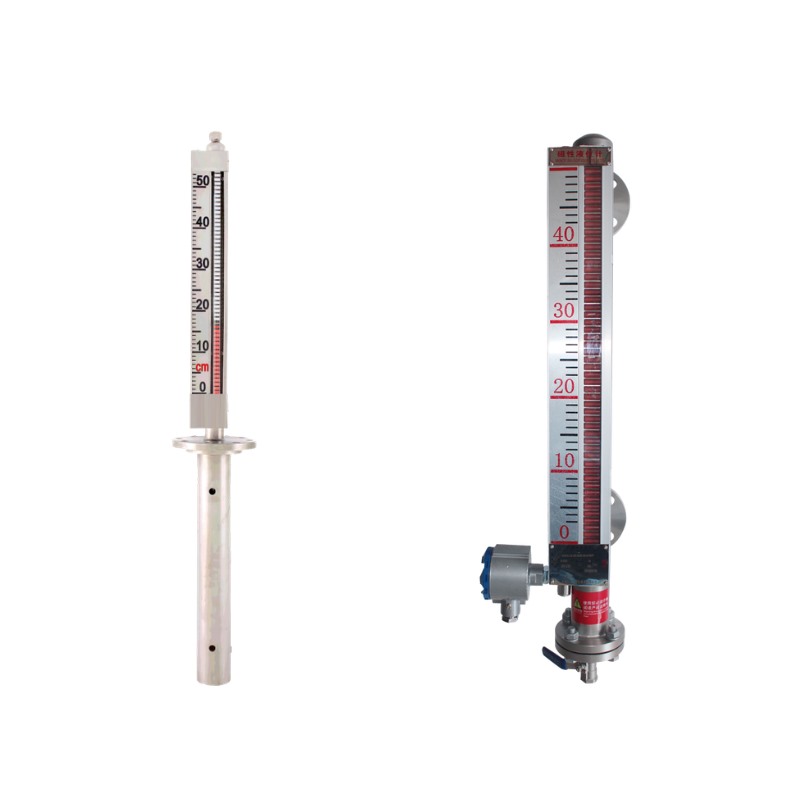
The ADDA-LE-68 Series magnetic level gauge is used for liquid level or interface detection in equipment made from various materials. Product details include remote 4~20mADC output options, magnetic switch options, IP67 protection, several structural versions, and materials for conventional or anti-corrosion applications.
Frequently Asked Questions
Ready To Discuss Your Hydraulic Power Unit Project?
Share your hydraulic circuit layout, pump outlet pressure, pipeline monitoring points, tank level requirements, and signal output needs. Our team will help review suitable pressure and level instrument options for your system.
Pressure transmitters are commonly used to monitor hydraulic system pressure, pump outlet pressure, and pipeline pressure. Level instruments such as float ball level meters or magnetic level gauges can be used for hydraulic tank level monitoring.
Please provide the hydraulic medium, pressure range, pump outlet pressure, pipeline monitoring points, tank structure, level range, process connection, output signal, power supply, and control system requirements.
Yes. Pressure transmitters can be used for hydraulic pressure monitoring, while level transmitters or level gauges can be selected for hydraulic tank level measurement according to the tank structure and installation conditions.
Yes. Pressure transmitters can be installed at pump outlet or pipeline monitoring points to measure hydraulic pressure and support system operation review.
Yes. ADDA can review your hydraulic system layout, pressure range, tank level requirements, process connection, and signal output needs to help select suitable pressure and level instruments.