

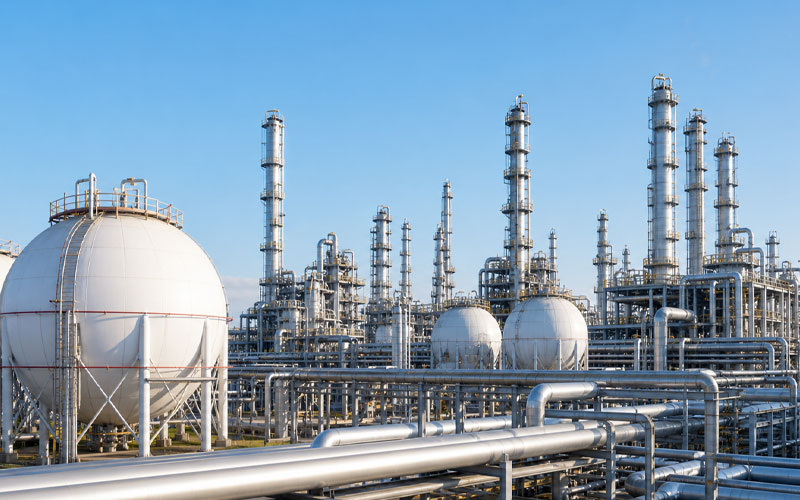
INDUSTRY OVERVIEW
Stable Measurement for Complex Petrochemical Processes
Petrochemical production involves pipelines, storage tanks, reactors, separators, and auxiliary systems operating under complex process conditions. Reliable measurement instruments help monitor pressure, level, temperature, and flow data, supporting safer operation, process stability, and maintenance planning.
ADDA provides pressure, level, temperature, flow, and wireless monitoring instruments for petrochemical applications, supporting stable measurement across storage, processing, and transfer operations.
Gas Compressor (Petrochemical Industry)
This gas compressor measurement solution is used for petrochemical compressor equipment. Multiple pressure transmitters are installed at key monitoring points on the compressor skid to measure process pressure and support operating condition monitoring.
Measurement Points:
- Compressor inlet pressure
- Compressor outlet pressure
- Pipeline pressure
- Auxiliary system pressure monitoring
Recommended Products

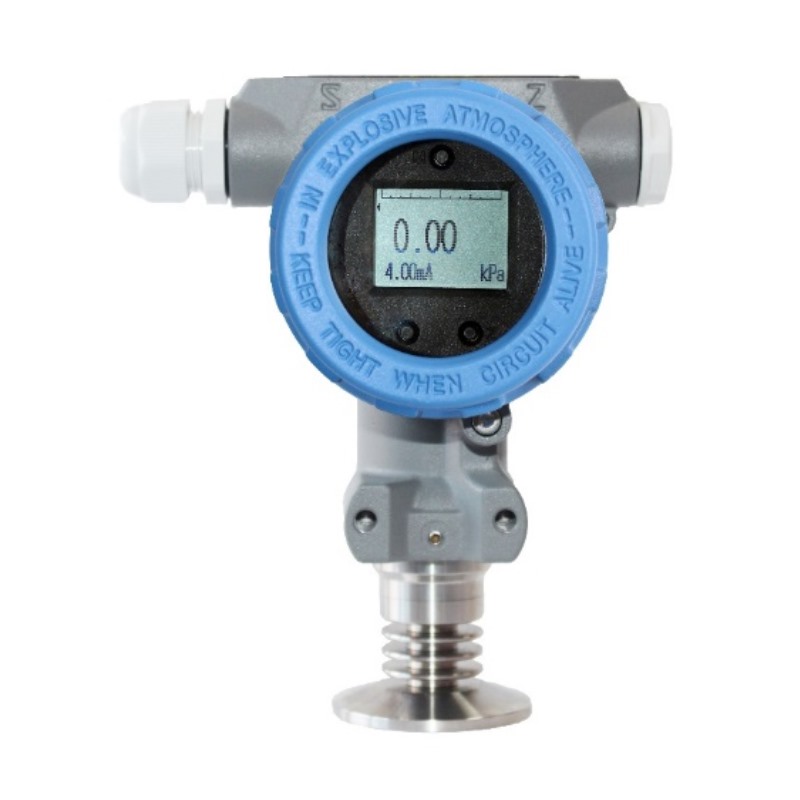
The ADDA-P Series smart differential pressure transmitter uses monocrystalline silicon MEMS sensing technology with static pressure and temperature compensation. Applications include pressure, level, differential pressure, density, interface, and flow measurement. Refer to the pressure-type and range tables for configuration-specific accuracy and output options.
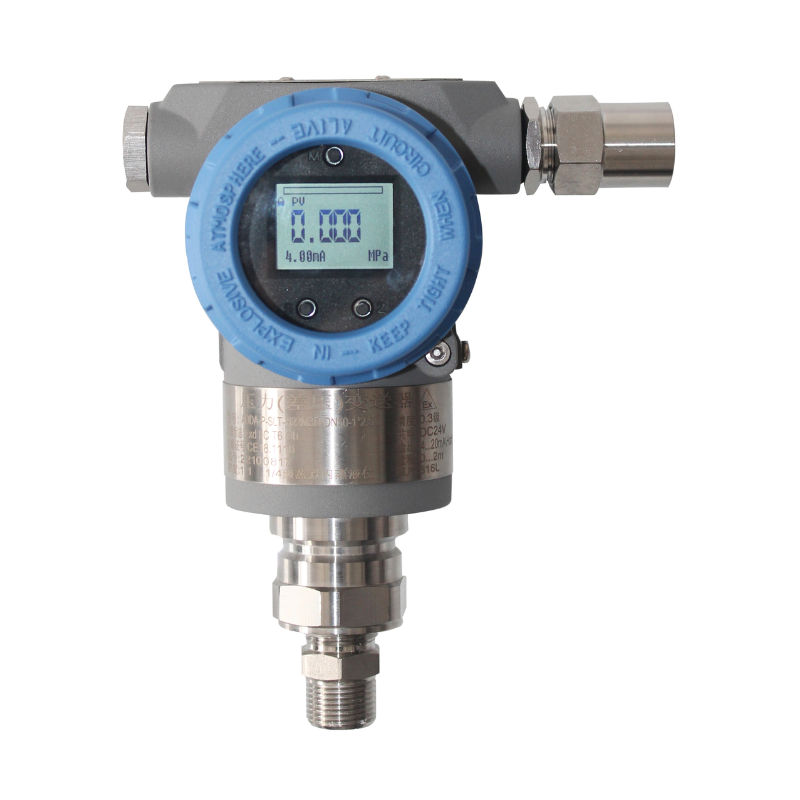
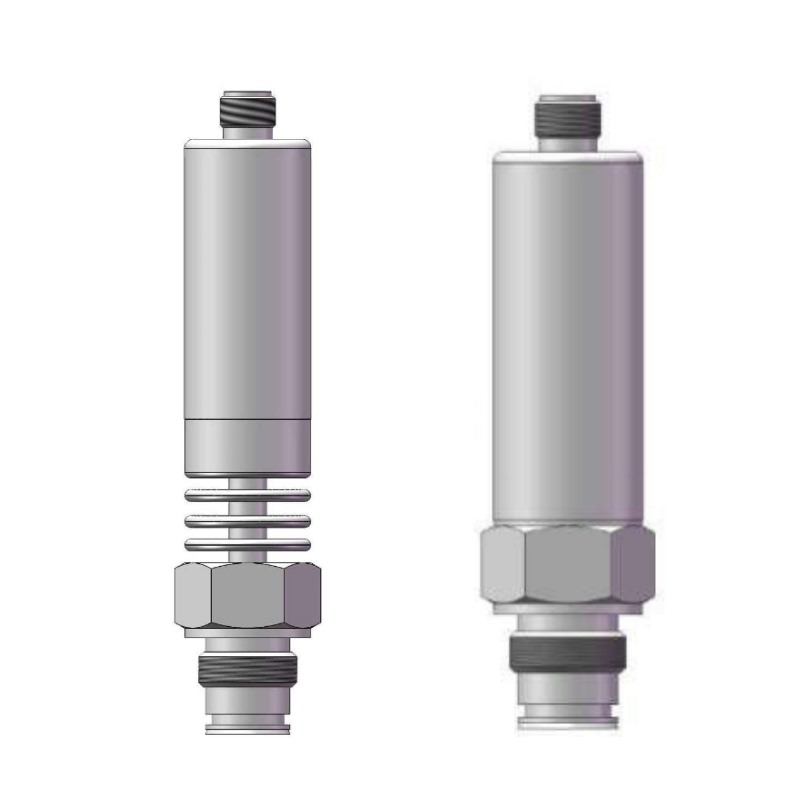
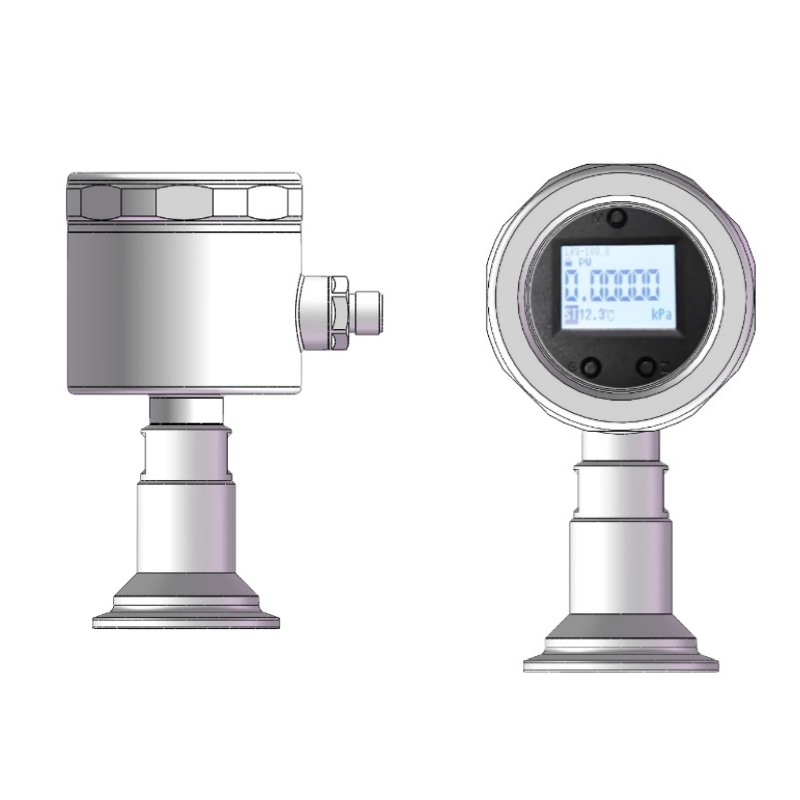
The ADDA-P Series smart gauge / absolute pressure transmitter uses monocrystalline silicon MEMS sensing technology with static pressure and temperature compensation. It supports pressure and level measurement. Available ranges and accuracy depend on the selected pressure type and sensor configuration.

The ADDA-P Series smart single flange pressure transmitter uses monocrystalline silicon sensing technology for pressure and level measurement. It provides static pressure and temperature compensation and supports media compatible with the wetted materials. The maximum overload pressure also depends on the flange pressure rating.
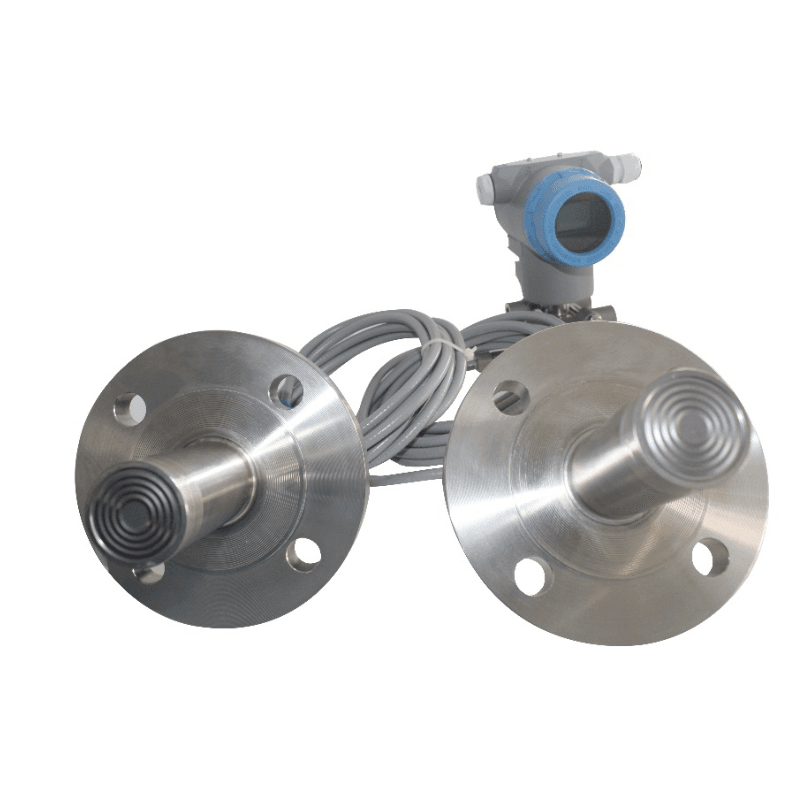
The ADDA-P Series smart double flange differential pressure transmitter uses monocrystalline silicon sensing technology with static pressure and temperature compensation. Applications include pressure, level, differential pressure, density, interface, and flow measurement. Refer to the configuration-specific accuracy and range specifications when selecting a model.
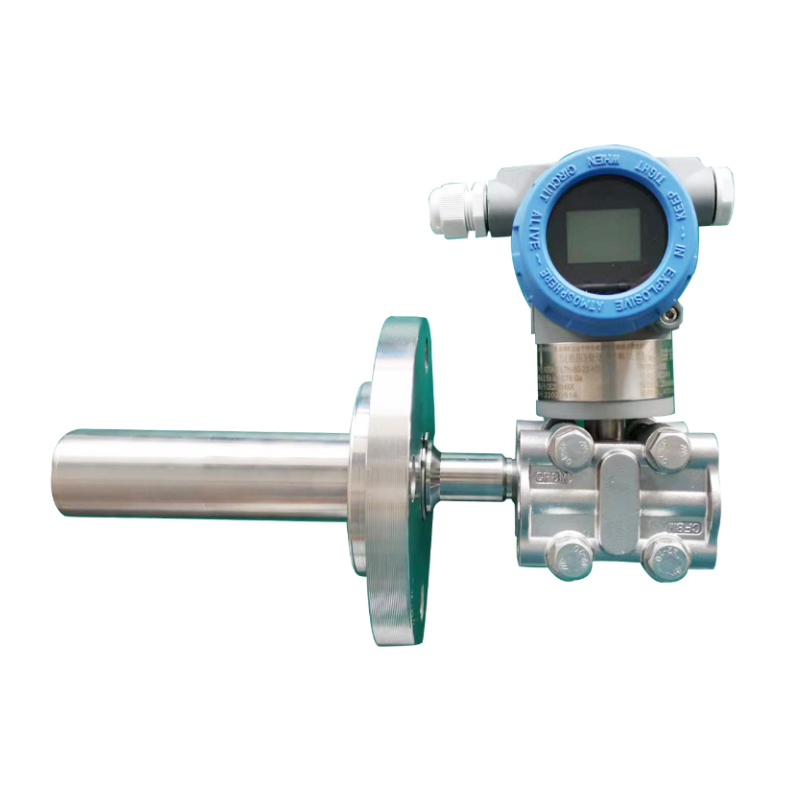
The ADDA-P Series smart single flange differential pressure transmitter uses monocrystalline silicon sensing technology for pressure and level applications. An embedded signal processing module provides static pressure and temperature compensation. It is suitable for media compatible with the wetted materials; the maximum static pressure also depends on the flange pressure rating.
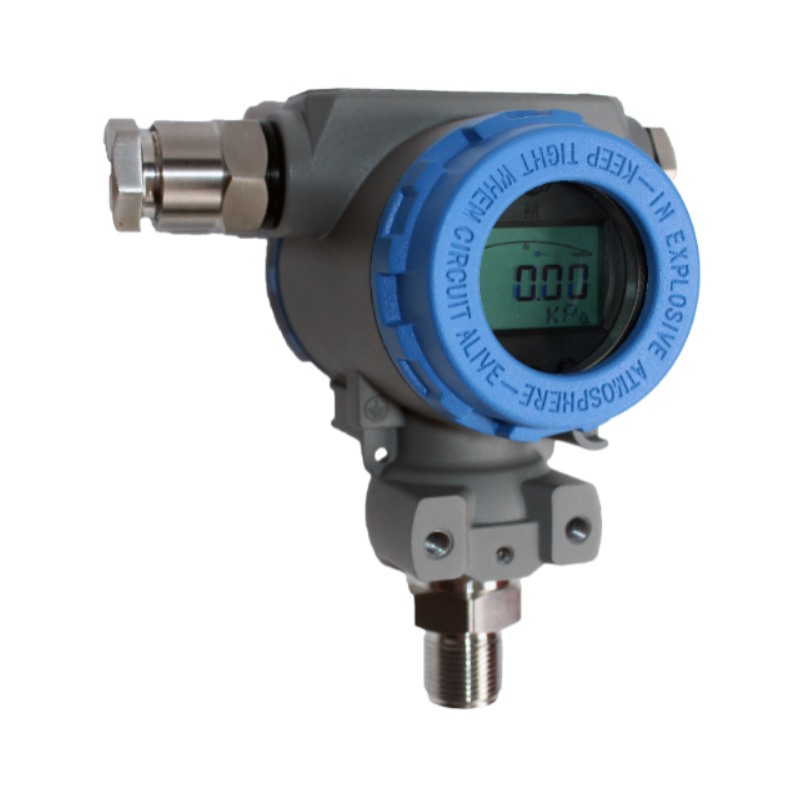
The ADDA-P Series smart absolute pressure transmitter uses diffused silicon piezoresistive sensing technology and an embedded signal processing module for static pressure and temperature compensation. It supports pressure and level applications with media compatible with the wetted materials. Refer to the model-specific range table when selecting a configuration.
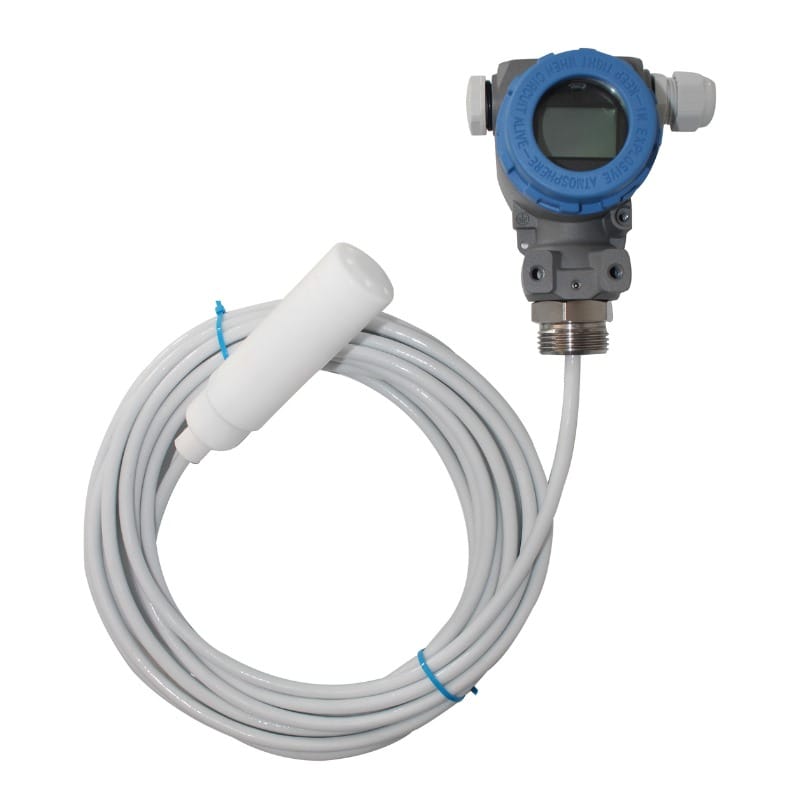
The ADDA-P Series smart submersible transmitter uses diffused silicon, ceramic piezoresistive, or ceramic capacitive sensing technology for level measurement. It provides static pressure and temperature compensation and is suitable for media compatible with the wetted materials. Refer to the model-specific range and protection specifications when selecting a configuration.

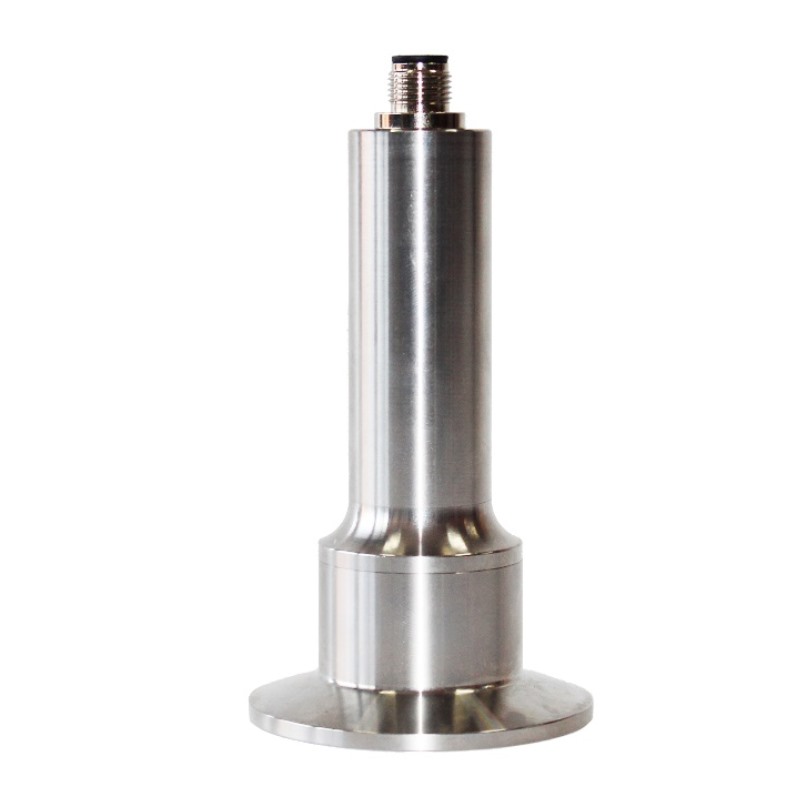
The ADDA-P Series smart pressure transmitter uses diffused silicon, ceramic piezoresistive, or ceramic capacitive sensing technology for pressure and level measurement. An embedded signal processing module provides static pressure and temperature compensation. Available measuring ranges, protection ratings, and output options depend on the selected configuration.
Vacuum Unit (Petrochemical Industry)
This vacuum unit measurement solution is designed for petrochemical process equipment. Pressure transmitters are installed at key pipeline and pump monitoring points to measure process pressure, while a magnetic level gauge is used on the vertical vessel to provide local liquid level indication.
Measurement Points:
- Pressure Monitoring: Pressure transmitters installed on the vacuum pump inlet/outlet or process pipeline.
- Level Monitoring: Magnetic level gauge installed on the storage or separation vessel for visual level indication.
Recommended Products
The ADDA-P Series smart gauge / absolute pressure transmitter uses monocrystalline silicon MEMS sensing technology with static pressure and temperature compensation. It supports pressure and level measurement. Available ranges and accuracy depend on the selected pressure type and sensor configuration.
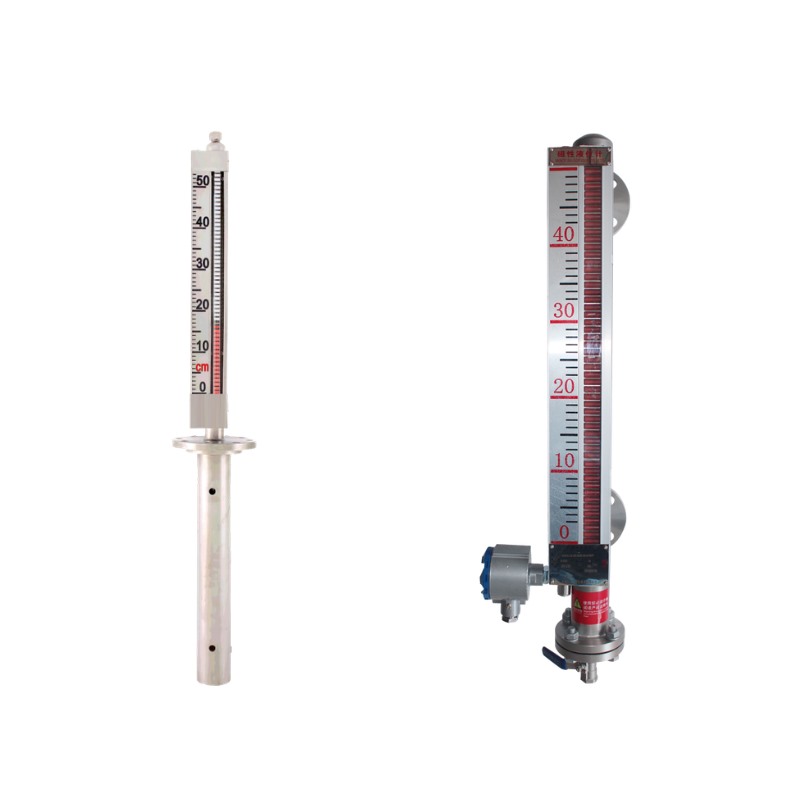
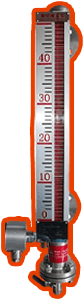
The ADDA-LE-68 Series magnetic level gauge is used for liquid level or interface detection in equipment made from various materials. Product details include remote 4~20mADC output options, magnetic switch options, IP67 protection, several structural versions, and materials for conventional or anti-corrosion applications.
Process Diagram
RECOMMENDED INSTRUMENTS
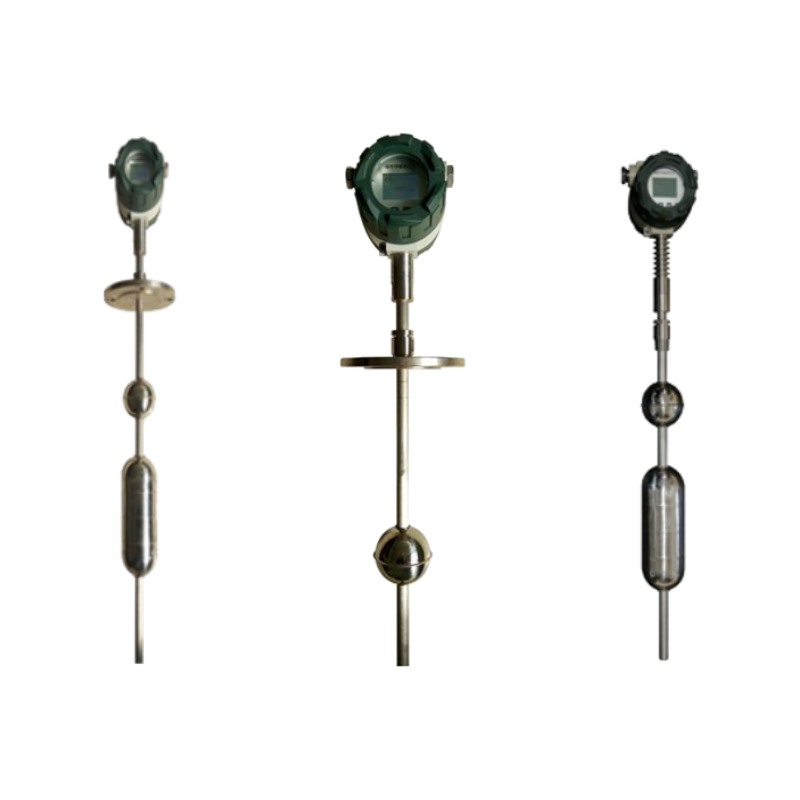
Instruments for Petrochemical Measurement Points

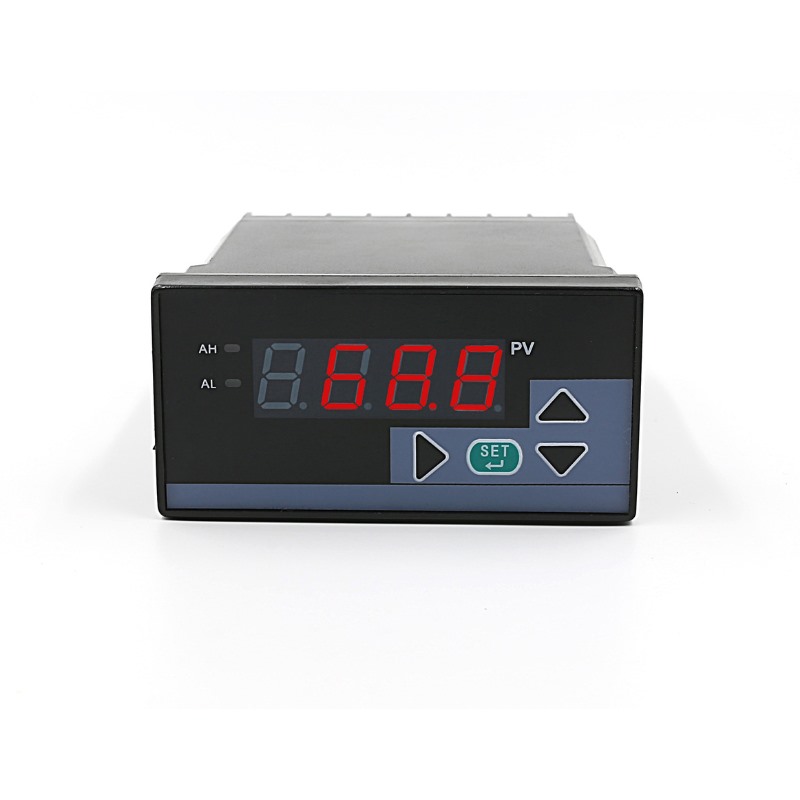
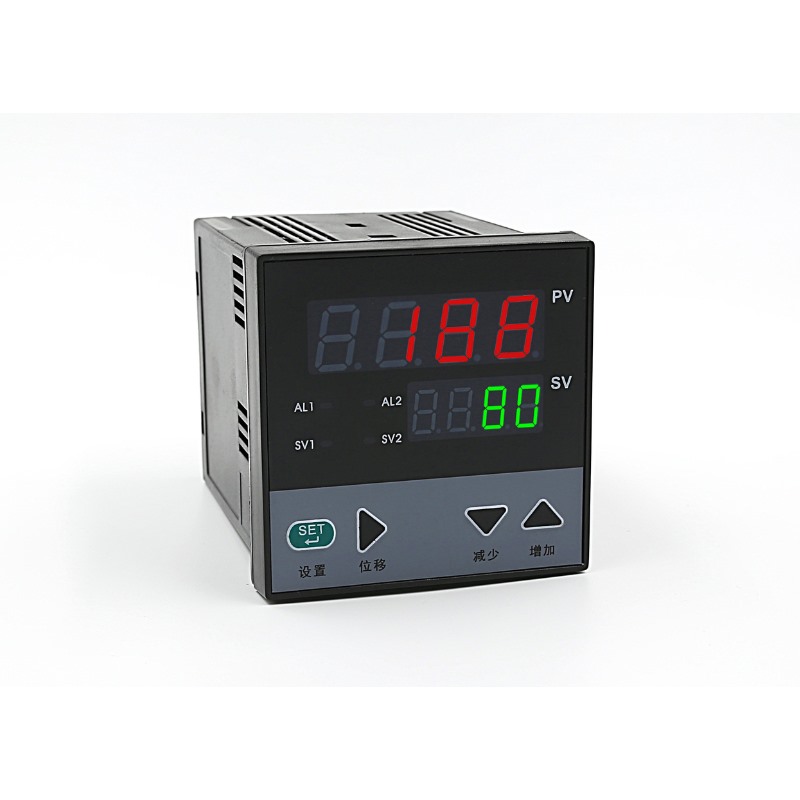
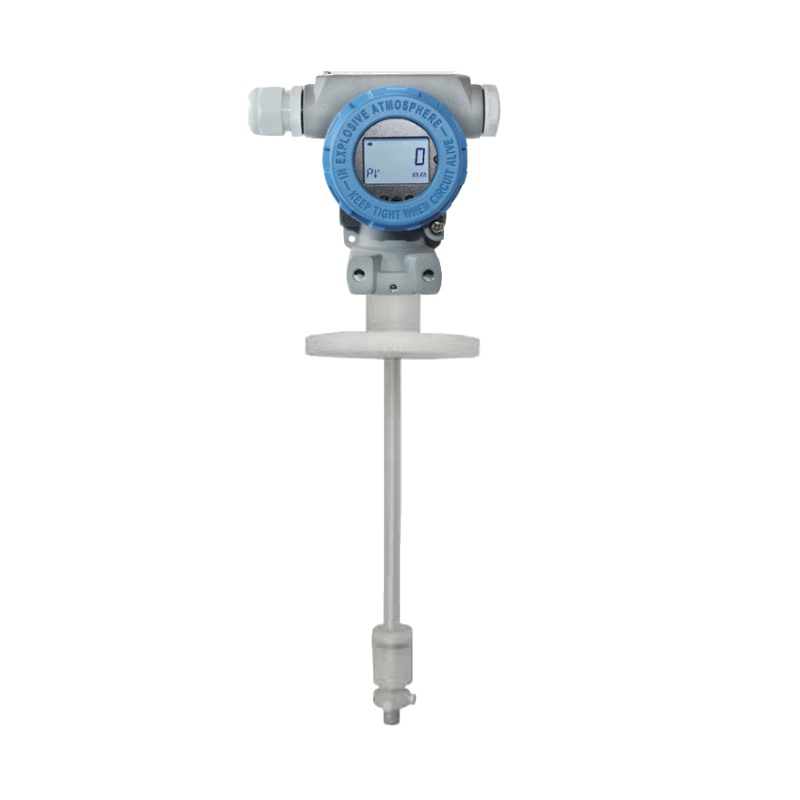
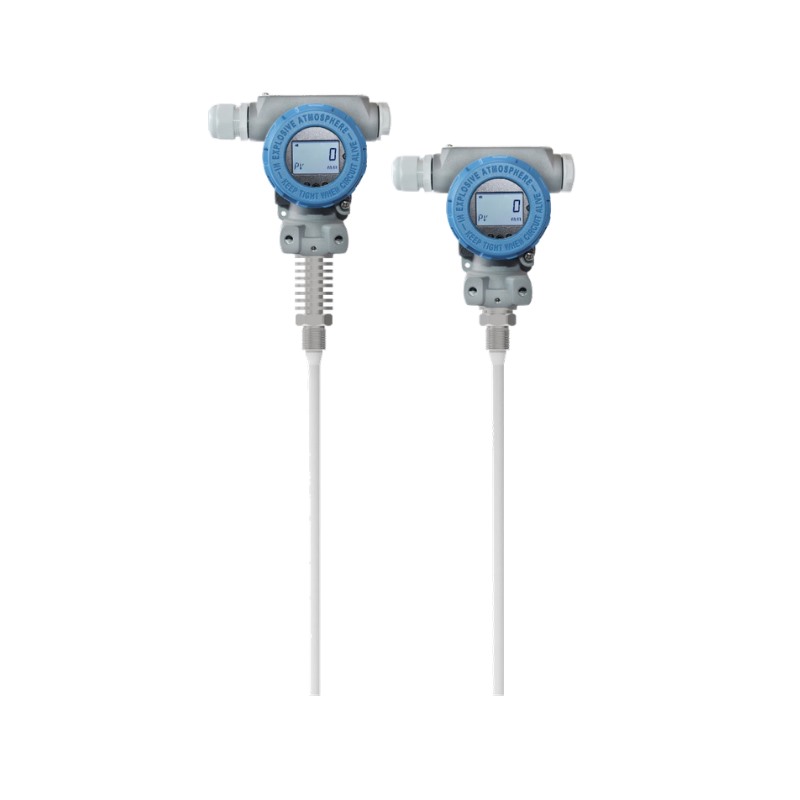

Application Scenarios
Crude Oil & Feedstock Storage
Process Control & Monitoring
Separation & Purification
Product Storage & Loading
Selection Guide
Frequently Asked Questions
Need Help Selecting Instruments for Your Petrochemical Site?
Share your measuring medium, process conditions, installation requirements, and signal output needs. Our team can help recommend suitable instrument configurations for your application.
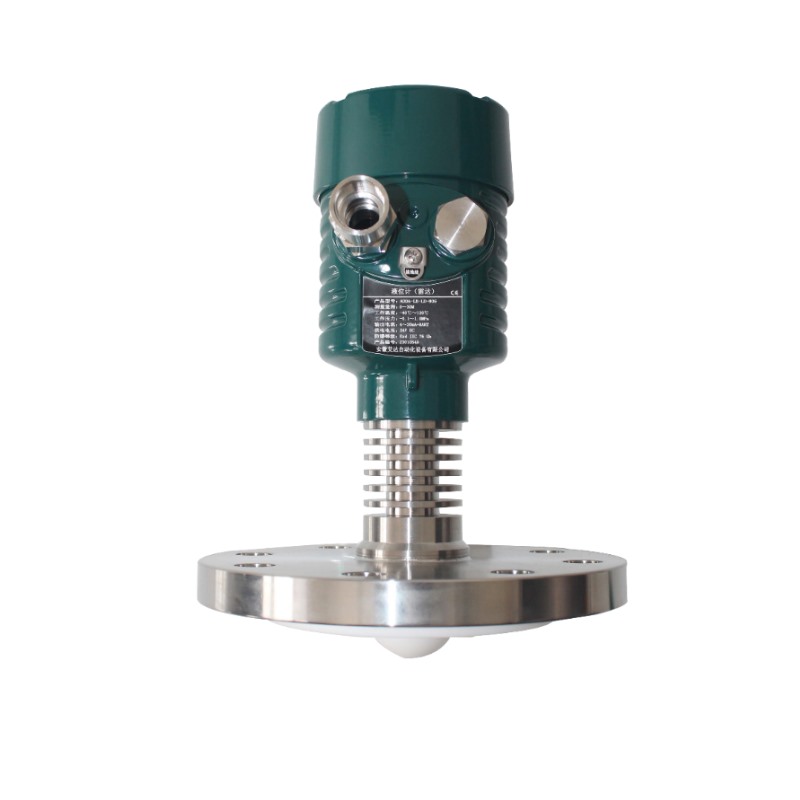
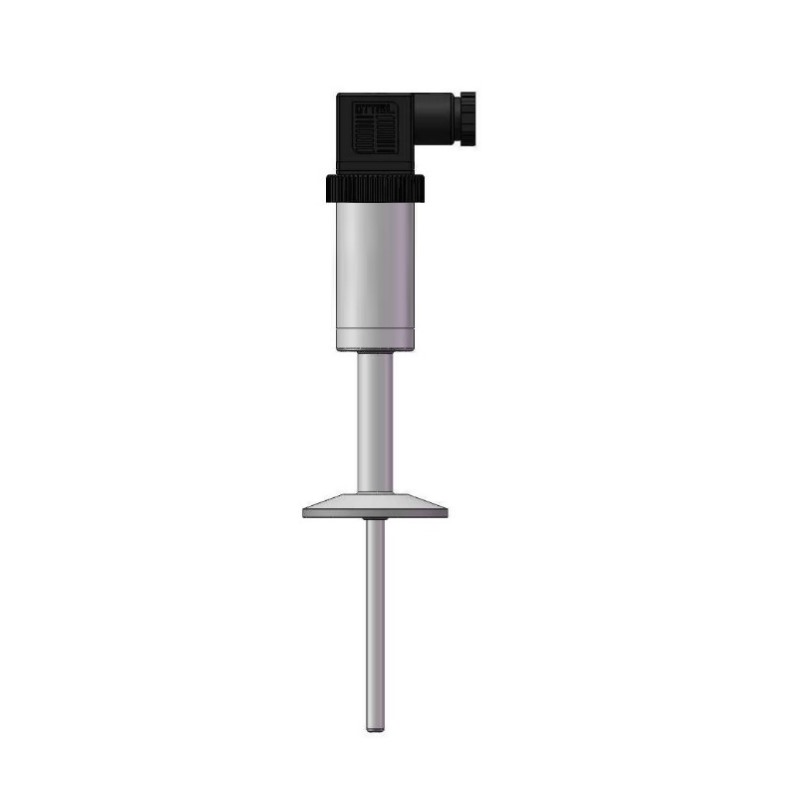
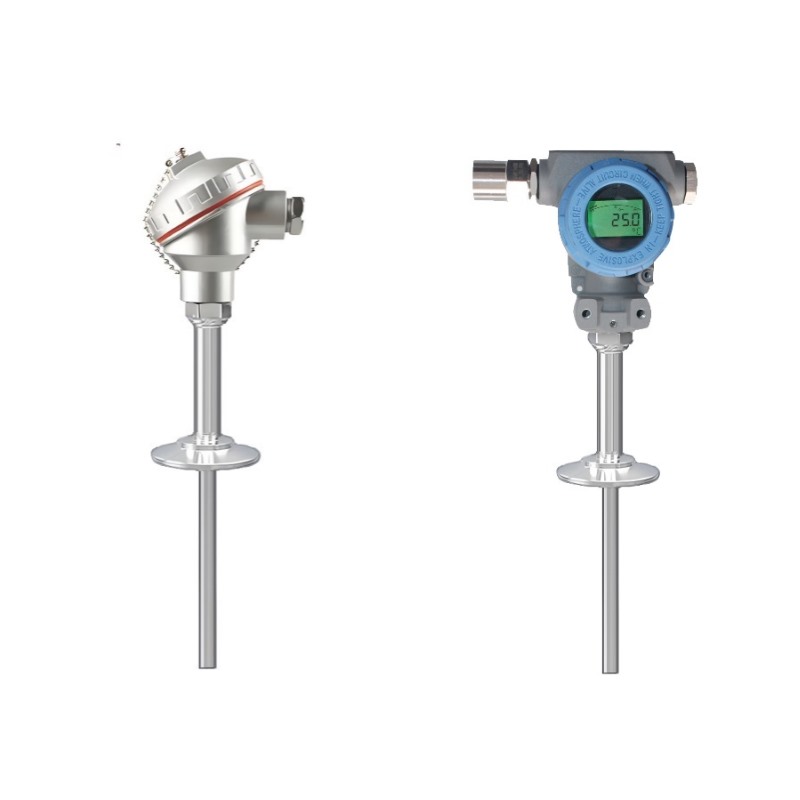
Pressure transmitters, differential pressure transmitters, radar level meters, magnetic level gauges, temperature transmitters, flow meters, and wireless monitoring instruments are commonly used depending on the measuring point.
Yes. Wireless IoT instruments can be used for remote monitoring points where wiring is difficult, helping transmit pressure, level, temperature, or other field data.
A radar level meter is suitable for non-contact continuous level measurement, while a magnetic level gauge provides visual on-site indication and can be configured with transmitter output depending on the application.
Please provide the measuring medium, range, process pressure, process temperature, connection type, output signal, power supply, and installation environment.
Lead time depends on product type, quantity, customization requirements, and certification needs. Standard products usually have a shorter delivery time, while customized models may require additional production time.