
Table of Contents
Gauge pressure transmitter decisions become clearer when the measurement is tied to a defined operating task. This guide focuses on keeping the Atmospheric Reference Clear in a process pipeline feeding a packaged industrial skid. The aim is to establish the physical reference behind the process value and turn that review into a configuration that can be installed, checked and maintained.
For engineers and purchasing teams, the useful starting point is the process value that must be trusted, the conditions that can make it wrong and the evidence needed before acceptance. The following review connects the sensing method with the physical installation and receiving system. Numerical examples are illustrative calculations, while final model limits and options should be confirmed for the ordered assembly.
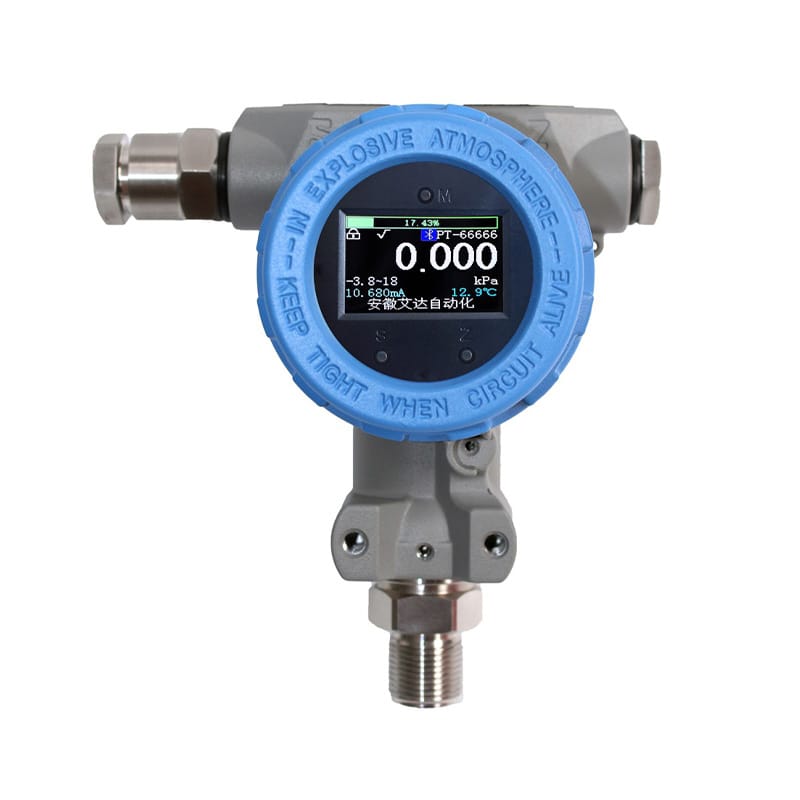
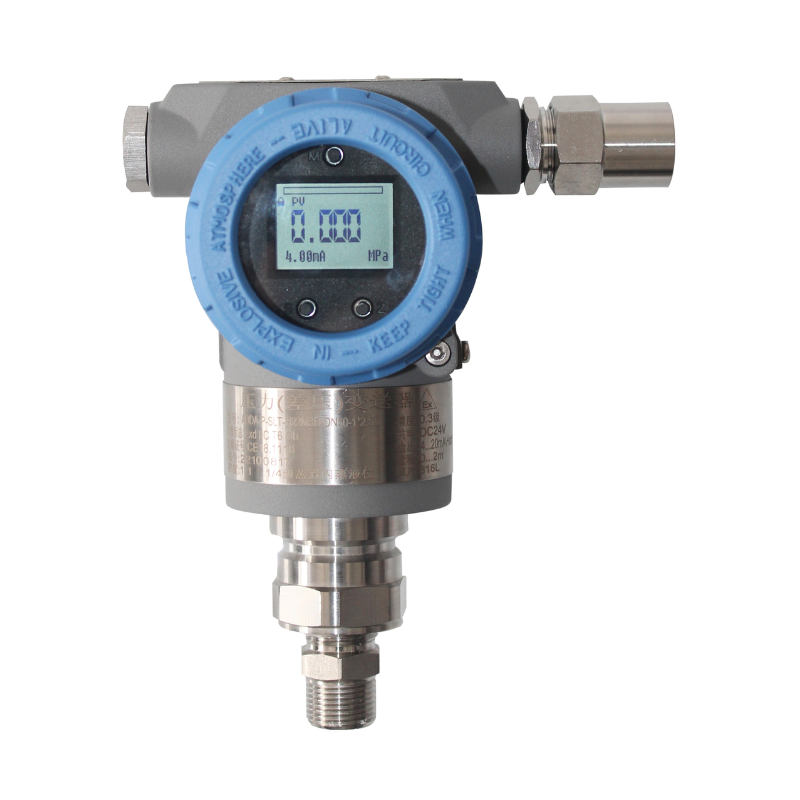
Gauge pressure transmitter: measurement basis
Pressure at the diaphragm is converted into an electrical measurement and then into a configured output. A gauge instrument uses atmospheric pressure as its reference. An absolute instrument uses a sealed vacuum reference. Matching this reference to the process calculation is more consequential than adding display resolution.
The gauge pressure transmitter review should establish one consistent physical basis. Name the quantity before converting its units. Pressure reference, level datum, volume basis and rate-versus-total distinctions cannot be resolved by multiplying a number by a unit factor.
Range and operating envelope
For gauge pressure transmitter, the selected endpoints need a documented operating basis. Separate the process datum from the instrument’s mounting position. Changes to one do not automatically change the other. A drawing with elevations and reference points is more reproducible than an undocumented offset entered during startup.
Medium and material review
A gauge pressure transmitter specification needs the actual exposure conditions. Inspect the assembly, materials and connections against the accepted configuration. A correct electronics setting cannot compensate for a wrong process fitting or sensor arrangement.
Gauge pressure transmitter: installation details
Choose a tap that communicates representative process pressure without excessive vibration or local velocity effects. Plan instrument removal and safe isolation before fitting the connection. Gas pockets in liquid service and condensate in gas service can change the apparent pressure or slow the response.
The installed gauge pressure transmitter should follow the accepted application drawing. Check physical datum, orientation, clearances and routing. Record any installation offset that belongs in the configuration. Resolve unexplained differences from the drawing before accepting the value.

Signal and configuration
At the receiving system, verify the lower and upper range values, units, damping and fault indication. A stable current signal can still represent the wrong engineering range. Local display and controller values should be compared at several points, including a value close to the normal operating point.
For gauge pressure transmitter, the receiving value must retain the intended interpretation. Use explicit unit and reference labels in every receiving system. Where a conversion is performed, record the input and location of the conversion. Avoid a second undocumented offset in the display or historian.
Gauge pressure transmitter: verification plan
A gauge pressure transmitter acceptance check needs a reproducible comparison. Retain acceptance observations with the procedure and reference information. A completion date alone does not explain what was tested or whether the complete measurement chain was included.
Maintenance and fault checks
The gauge pressure transmitter service record should explain the observed condition. When readings disagree, compare their references before deciding which instrument is defective. Two devices can both respond correctly while describing different pressure bases, elevation datums or process positions.
Gauge pressure transmitter: specification for ADDA
A gauge pressure transmitter inquiry is strongest when its assumptions are explicit. Keep unit conventions in the instrument and controls handover. This is particularly useful for mixed regional engineering teams and replacement instruments configured in a different default unit.
Review the Smart Gauge / Absolute Pressure Transmitter configuration information and the ADDA product portfolio alongside the tag sheet. These links identify the relevant product family; they do not replace confirmation of the exact ordered materials, interfaces and operating limits.
Practical review: Keeping the Atmospheric Reference Clear
For an illustrative 0–10 bar gauge span, 12 mA represents 5 bar when the output is linear. A transmitter on a 0–16 bar span gives 8 bar at the same current. These are calculation examples, not model ratings.
To apply this example to gauge pressure transmitter, begin with the actual drawing and collect the inputs that keeping the Atmospheric Reference Clear requires. Mark each input as measured, specified or still awaiting confirmation. Compare the result with the normal operating point, then repeat the review at the relevant low or high condition. This makes an assumption visible before it becomes an unexplained offset in the control system.
A practical review should leave three usable records: the physical arrangement that was checked, the configuration that implements the intended interpretation, and the observations used to judge the result. If any one of these changes, identify which conclusions need to be repeated. This is especially useful when a replacement instrument has the same family name but a different range, connection, probe, output or electronics option.
Technology and configuration comparison
| Option | Application consideration | Evidence to request |
|---|---|---|
| Gauge measurement | atmospheric reference and ordinary line pressure | Reference named on tag sheet |
| Absolute measurement | vacuum reference and pressure calculations | Datum or tap location verified |
| Differential measurement | two process points and pressure-drop duties | Known-condition comparison recorded |
Use this comparison to structure a gauge pressure transmitter review, rather than to rank every technology for every process. The preferred option is the one that meets the required measurement task within the available installation and maintenance conditions. Compare supplier offers against the same operating envelope and ask for explicit exceptions when an option cannot meet one of the requirements.
For independent background, consult NIST pressure and vacuum calibration information. This reference provides general technical or metrology context. It is not evidence that a particular ADDA product has been certified, approved or calibrated by that organization.
Discuss your gauge pressure transmitter application with ADDA. Send the operating data and drawing through the form below, including the specific issue of keeping the Atmospheric Reference Clear. Request a configuration review, the relevant product information and confirmation of any outstanding application assumptions before placing the order.
Frequently asked questions
What should be confirmed first for gauge pressure transmitter?
Start with the physical quantity, reference and operating task. For this application, the central issue is keeping the Atmospheric Reference Clear. Confirm the actual process conditions and the installation drawing before selecting a range or accepting a numerical comparison. This avoids choosing an instrument around a label while leaving the measurement basis unresolved.
Which information does ADDA need for a gauge pressure transmitter inquiry?
Provide the tag location, minimum and maximum operating conditions, medium, process connection, required output and available installation space. Include the drawing for a process pipeline feeding a packaged industrial skid, along with the required evidence. Ask for the exact offered configuration and a list of assumptions, particularly where a catalogue family includes several optional materials or interfaces.
How should gauge pressure transmitter acceptance be documented?
Record the installed arrangement and final settings, then retain observations that demonstrate the intended task. The review should cover: Reference named on tag sheet; Datum or tap location verified; Known-condition comparison recorded. Identify the comparison method and what parts of the measurement chain it includes. An electrical simulation, physical comparison and installation inspection provide different evidence and should remain clearly labeled.
Can one gauge pressure transmitter setting be used for every operating condition?
Only if the full operating envelope has been reviewed and the measurement assumptions remain valid. Changes in process properties, temperature, geometry or data timing can change the result. Define which conditions share a configuration and which require additional assessment; do not hide an unexplained difference with a permanent display offset.
When should the gauge pressure transmitter configuration be reviewed again?
Review it after a relevant process change, instrument replacement, installation modification or repeated unexplained disagreement. Preserve the previous settings and observations so the effect of the change can be assessed. The objective is to reproduce a trusted measurement under the new conditions, rather than simply restore a familiar number on the screen.