
Tabla de contenidos
High pressure transmitter decisions become clearer when the measurement is tied to a defined operating task. This guide focuses on reviewing Spikes and Pressure Boundary Ratings in a hydraulic power unit with pump pulsation and accumulator events. The aim is to turn a broad product requirement into a verifiable ordered configuration and turn that review into a configuration that can be installed, checked and maintained.
Para los ingenieros y equipos de compras, el punto de partida útil es el valor del proceso en el que se debe confiar, las condiciones que pueden hacerlo incorrecto y la evidencia necesaria antes de la aceptación. La siguiente revisión conecta el método de detección con la instalación física y el sistema receptor. Los ejemplos numéricos son cálculos ilustrativos, mientras que los límites y opciones del modelo final deben confirmarse para el ensamblaje ordenado.
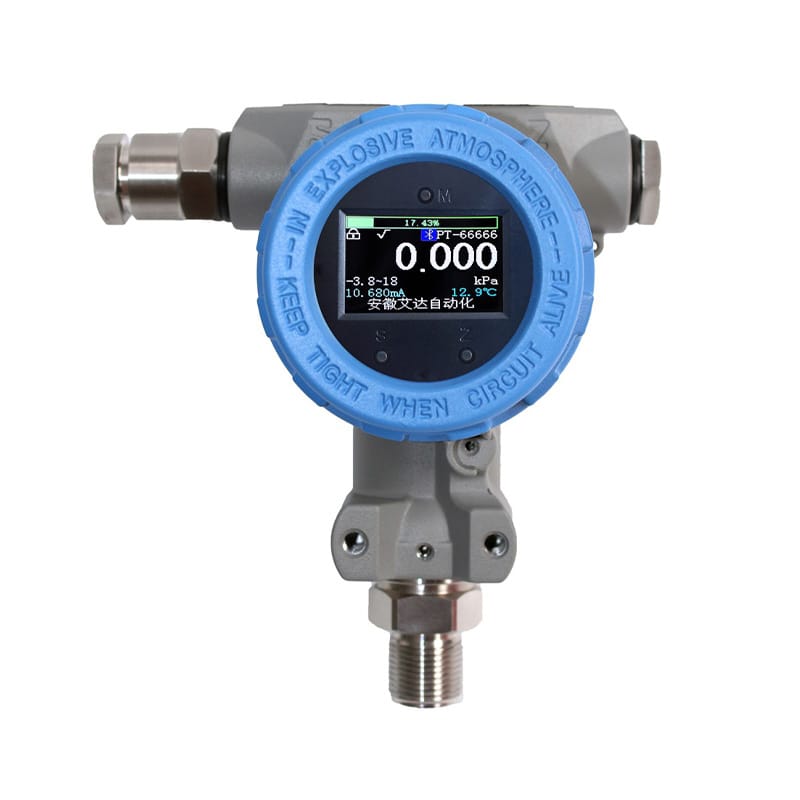
High pressure transmitter: measurement basis
The high pressure transmitter review should establish one consistent physical basis. Use a stable tag identity to connect the process location, instrument, controls channel and maintenance record. Broad product names are not enough when several similar instruments serve different duties.
Rango y envolvente operativa
The operating span must cover the lowest useful reading and the highest normal condition. Startup spikes, cleaning pressure and accidental isolation can impose different demands. Measuring range, allowable overload and pressure boundary rating are separate quantities; a larger electrical span cannot compensate for an inadequate mechanical rating. A snubber may protect or stabilize the measurement but can also hide a fast event. Review both its dynamic effect and maintenance needs with the equipment designer.
For high pressure transmitter, the selected endpoints need a documented operating basis. Separate operating requirements from design or abnormal exposures. State pressure, temperature, flow or level limits with the correct reference and units. Identify which conditions occur together.
Revisión de medios y materiales
The diaphragm, process fitting, gasket and any isolation valve form a wetted assembly. Stainless steel housing does not identify the diaphragm alloy or seal material. Review the medium composition, concentration and temperature together, particularly where cleaning chemicals differ from the normal process fluid. Hydraulic startup, valve closure and accumulator charging can create brief pressure changes beyond the steady reading. Define the event of interest before selecting damping or a restriction.
A high pressure transmitter specification needs the actual exposure conditions. List connection, wetted parts, seals and required evidence. Certification or conformity requirements need their applicable scope checked for the actual assembly; a logo on a brochure is insufficient.
High pressure transmitter: installation details
The installed high pressure transmitter should follow the accepted application drawing. Define mounting and service constraints that affect the available design. Removal access, cable routing, clearance and permissible location belong in the inquiry when they influence the configuration.
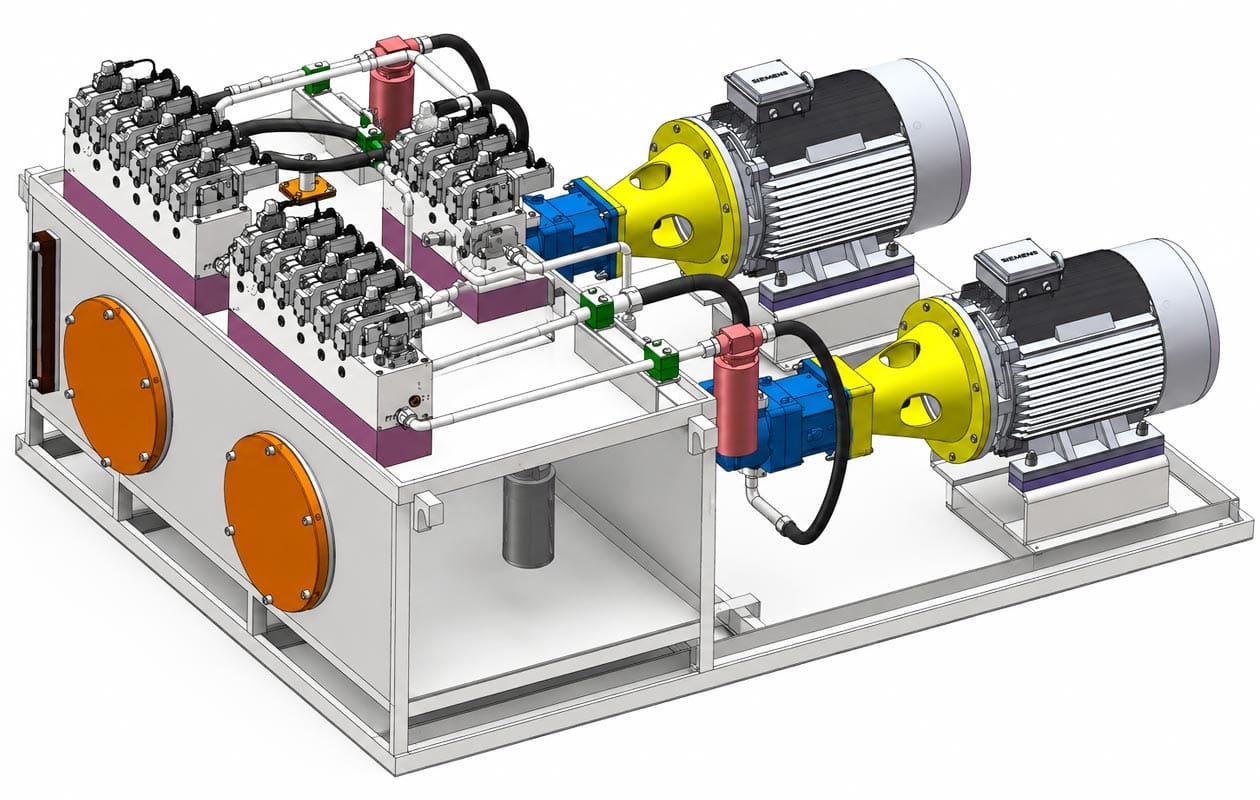
Señal y configuración
For high pressure transmitter, the receiving value must retain the intended interpretation. Specify receiving interface, power and data interpretation. Confirm which optional functions are needed so the quotation and controls design address the same configuration.
High pressure transmitter: verification plan
A high pressure transmitter acceptance check needs a reproducible comparison. Retain acceptance observations with the procedure and reference information. A completion date alone does not explain what was tested or whether the complete measurement chain was included.
Mantenimiento y comprobaciones de averías
The high pressure transmitter service record should explain the observed condition. When reviewing an exception, record the physical and operational consequences. A changed interface or range can affect controls and installation beyond the instrument itself.
High pressure transmitter: specification for ADDA
Ask for the selected sensor range, process connection, wetted materials, output, supply requirements and temperature limits on one tag sheet. ADDA offers pressure transmitter configurations, but each order should identify the complete assembly rather than relying on the broad family name. A snubber may protect or stabilize the measurement but can also hide a fast event. Review both its dynamic effect and maintenance needs with the equipment designer.
A high pressure transmitter inquiry is strongest when its assumptions are explicit. Approve one reconciled model and option set with revision-controlled documents. ADDA can review application requirements, but the buyer should retain the final configuration and acceptance basis in the order record.
Revisar el Información de configuración del transmisor de presión inteligente y el Portafolio de productos ADDA junto a la hoja de etiquetas. Estos enlaces identifican la familia de productos relevante; no reemplazan la confirmación de los materiales, interfaces y límites operativos exactos solicitados.
Practical review: Reviewing Spikes and Pressure Boundary Ratings
Para un intervalo de calibre ilustrativo de 0 a 10 bar, 12 mA representa 5 bar cuando la salida es lineal. Un transmisor en un tramo de 0 a 16 bar da 8 bar con la misma corriente. Estos son ejemplos de cálculo, no clasificaciones de modelos.
To apply this example to high pressure transmitter, begin with the actual drawing and collect the inputs that reviewing Spikes and Pressure Boundary Ratings requires. Mark each input as measured, specified or still awaiting confirmation. Compare the result with the normal operating point, then repeat the review at the relevant low or high condition. This makes an assumption visible before it becomes an unexplained offset in the control system.
Una revisión práctica debe dejar tres registros utilizables: la disposición física que se verificó, la configuración que implementa la interpretación prevista y las observaciones utilizadas para juzgar el resultado. Si alguno de estos cambios, identifique qué conclusiones deben repetirse. Esto es especialmente útil cuando un instrumento de reemplazo tiene el mismo apellido pero una opción diferente de rango, conexión, sonda, salida o electrónica.
Comparación de tecnología y configuración
| Opción | Consideración de la solicitud | Pruebas para solicitar |
|---|---|---|
| Medición de calibre | referencia atmosférica y presión de línea ordinaria | Tag sheet complete |
| Medición absoluta | referencia de vacío y cálculos de presión | Options and exceptions reconciled |
| Medición diferencial | dos puntos de proceso y tareas de caída de presión | Acceptance evidence agreed |
Use this comparison to structure a high pressure transmitter review, rather than to rank every technology for every process. The preferred option is the one that meets the required measurement task within the available installation and maintenance conditions. Compare supplier offers against the same operating envelope and ask for explicit exceptions when an option cannot meet one of the requirements.
Para antecedentes independientes, consulte Información de calibración de presión y vacío del NIST. Esta referencia proporciona un contexto técnico o de metrología general. No es evidencia de que un producto ADDA en particular haya sido certificado, aprobado o calibrado por esa organización.
Discuss your high pressure transmitter application with ADDA. Send the operating data and drawing through the form below, including the specific issue of reviewing Spikes and Pressure Boundary Ratings. Request a configuration review, the relevant product information and confirmation of any outstanding application assumptions before placing the order.
Preguntas frecuentes
What should be confirmed first for high pressure transmitter?
Start with the physical quantity, reference and operating task. For this application, the central issue is reviewing Spikes and Pressure Boundary Ratings. Confirm the actual process conditions and the installation drawing before selecting a range or accepting a numerical comparison. This avoids choosing an instrument around a label while leaving the measurement basis unresolved.
Which information does ADDA need for a high pressure transmitter inquiry?
Provide the tag location, minimum and maximum operating conditions, medium, process connection, required output and available installation space. Include the drawing for a hydraulic power unit with pump pulsation and accumulator events, along with the required evidence. Ask for the exact offered configuration and a list of assumptions, particularly where a catalogue family includes several optional materials or interfaces.
How should high pressure transmitter acceptance be documented?
Record the installed arrangement and final settings, then retain observations that demonstrate the intended task. The review should cover: Tag sheet complete; Options and exceptions reconciled; Acceptance evidence agreed. Identify the comparison method and what parts of the measurement chain it includes. An electrical simulation, physical comparison and installation inspection provide different evidence and should remain clearly labeled.
Can one high pressure transmitter setting be used for every operating condition?
Sólo si se ha revisado el ámbito operativo completo y los supuestos de medición siguen siendo válidos. Los cambios en las propiedades del proceso, la temperatura, la geometría o la sincronización de los datos pueden cambiar el resultado. Definir qué condiciones comparten una configuración y cuáles requieren una evaluación adicional; no oculte una diferencia inexplicable con un desplazamiento de visualización permanente.
When should the high pressure transmitter configuration be reviewed again?
Revisarlo después de un cambio de proceso relevante, reemplazo de instrumentos, modificación de instalación o desacuerdo repetido e inexplicable. Preserve las configuraciones y observaciones anteriores para poder evaluar el efecto del cambio. El objetivo es reproducir una medición confiable bajo las nuevas condiciones, en lugar de simplemente restaurar un número familiar en la pantalla.