
Tank level monitoring is an important part of industrial process control. It is widely used in chemical plants, water treatment, oil storage, food and pharmaceutical production, cement, and environmental protection projects. Reliable level measurement helps users understand storage conditions, prevent overflow, and improve production management.
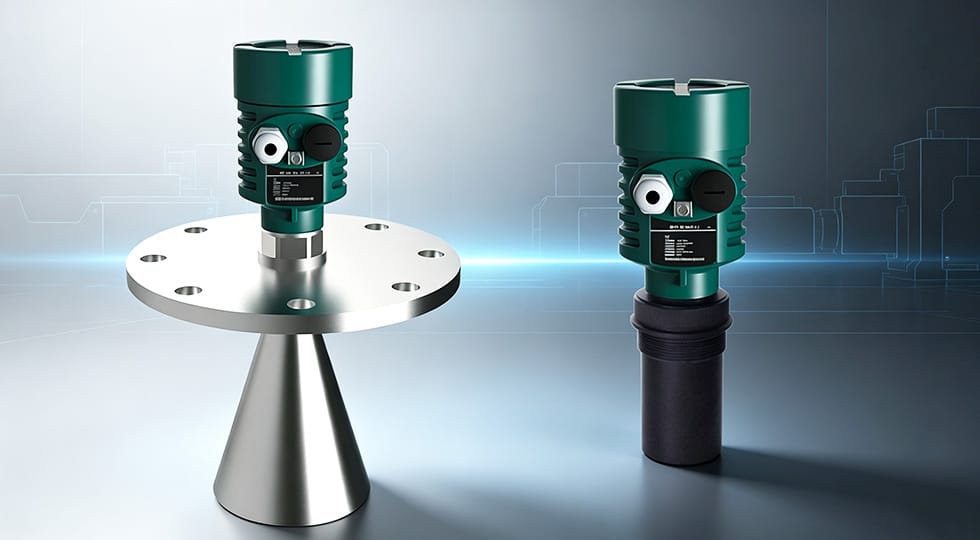
One common problem is unstable measurement caused by foam, vapor, dust, or surface fluctuation. In these conditions, users should choose a level instrument based on the actual medium and tank environment. Radar level meters are often suitable for harsh conditions because they can measure without direct contact with the medium.
Another problem is incorrect installation. If the instrument is installed too close to the tank wall, inlet pipe, agitator, or obstacle, the signal may be affected. Proper installation position is important for stable measurement. Users should follow installation guidelines and leave enough distance from interference points.
Corrosive or high-temperature media can also affect instrument performance. In these applications, suitable materials, sealing structures, and process connections should be selected. For some special media, protective accessories or customized installation solutions may be required.
For remote tanks, manual inspection can be time-consuming and inefficient. Wireless level instruments can help transmit data to a cloud platform, allowing users to monitor level changes remotely, receive alarm notifications, and manage multiple tanks more easily.
To build a reliable tank level monitoring system, users should confirm the tank type, medium, measuring range, temperature, pressure, installation position, power supply, output signal, and communication method. A suitable level measurement solution can improve safety, reduce manual inspection, and support more efficient industrial operation.