
Sommario
High pressure transmitter decisions become clearer when the measurement is tied to a defined operating task. This guide focuses on reviewing Spikes and Pressure Boundary Ratings in a hydraulic power unit with pump pulsation and accumulator events. The aim is to turn a broad product requirement into a verifiable ordered configuration and turn that review into a configuration that can be installed, checked and maintained.
Per gli ingegneri e i team di acquisto, il punto di partenza utile è il valore del processo di cui ci si deve fidare, le condizioni che possono renderlo sbagliato e le prove necessarie prima dell'accettazione La seguente revisione collega il metodo di rilevamento con l'installazione fisica e il sistema di ricezione Gli esempi numerici sono calcoli illustrativi, mentre i limiti e le opzioni del modello finale dovrebbero essere confermati per l'assemblaggio ordinato.
High pressure transmitter: measurement basis
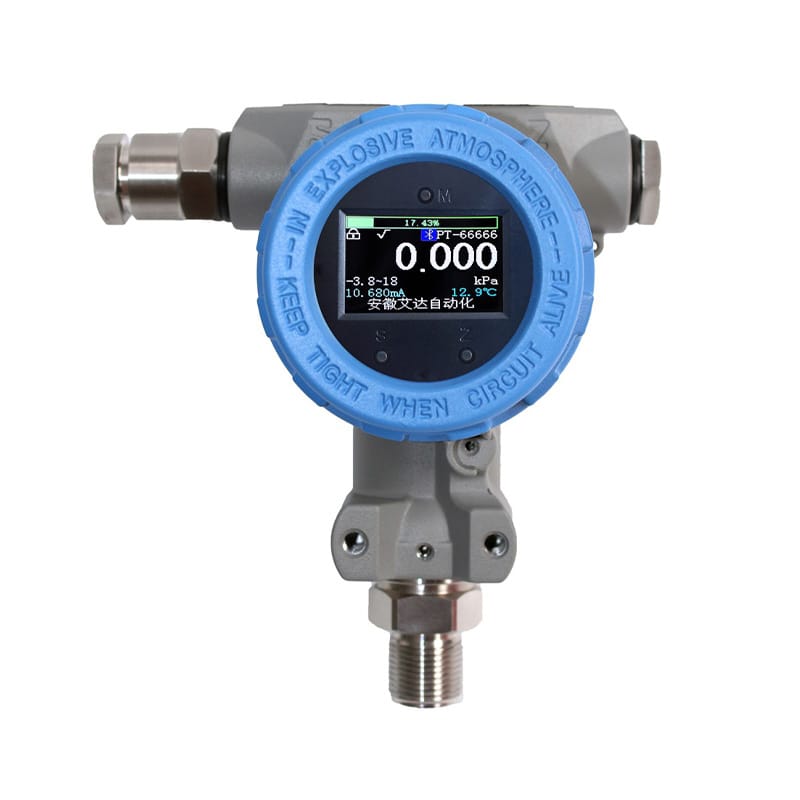
The high pressure transmitter review should establish one consistent physical basis. Use a stable tag identity to connect the process location, instrument, controls channel and maintenance record. Broad product names are not enough when several similar instruments serve different duties.
Gamma e inviluppo operativo
The operating span must cover the lowest useful reading and the highest normal condition. Startup spikes, cleaning pressure and accidental isolation can impose different demands. Measuring range, allowable overload and pressure boundary rating are separate quantities; a larger electrical span cannot compensate for an inadequate mechanical rating. A snubber may protect or stabilize the measurement but can also hide a fast event. Review both its dynamic effect and maintenance needs with the equipment designer.
For high pressure transmitter, the selected endpoints need a documented operating basis. Separate operating requirements from design or abnormal exposures. State pressure, temperature, flow or level limits with the correct reference and units. Identify which conditions occur together.
Revisione media e materiale
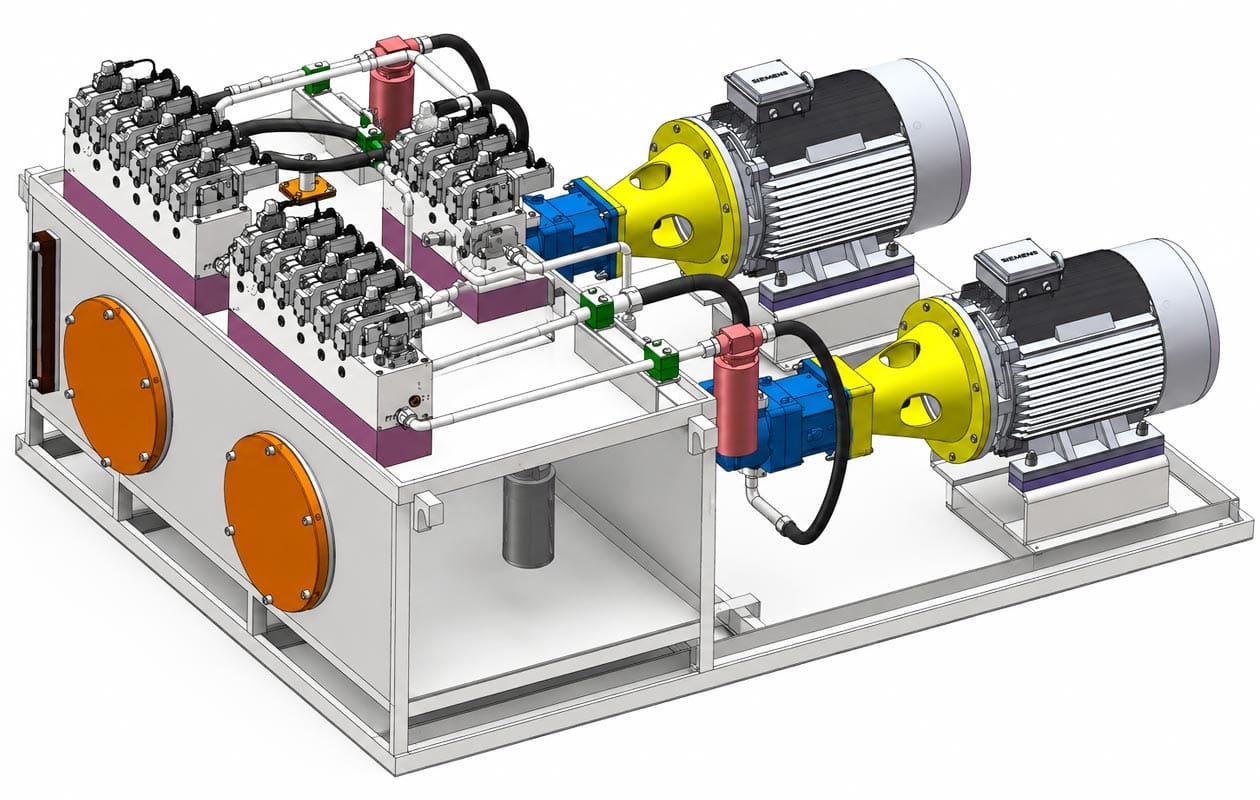
The diaphragm, process fitting, gasket and any isolation valve form a wetted assembly. Stainless steel housing does not identify the diaphragm alloy or seal material. Review the medium composition, concentration and temperature together, particularly where cleaning chemicals differ from the normal process fluid. Hydraulic startup, valve closure and accumulator charging can create brief pressure changes beyond the steady reading. Define the event of interest before selecting damping or a restriction.
A high pressure transmitter specification needs the actual exposure conditions. List connection, wetted parts, seals and required evidence. Certification or conformity requirements need their applicable scope checked for the actual assembly; a logo on a brochure is insufficient.
High pressure transmitter: installation details
The installed high pressure transmitter should follow the accepted application drawing. Define mounting and service constraints that affect the available design. Removal access, cable routing, clearance and permissible location belong in the inquiry when they influence the configuration.
Segnale e configurazione
For high pressure transmitter, the receiving value must retain the intended interpretation. Specify receiving interface, power and data interpretation. Confirm which optional functions are needed so the quotation and controls design address the same configuration.
High pressure transmitter: verification plan
A high pressure transmitter acceptance check needs a reproducible comparison. Retain acceptance observations with the procedure and reference information. A completion date alone does not explain what was tested or whether the complete measurement chain was included.
Manutenzione e controlli guasti
The high pressure transmitter service record should explain the observed condition. When reviewing an exception, record the physical and operational consequences. A changed interface or range can affect controls and installation beyond the instrument itself.
High pressure transmitter: specification for ADDA
Ask for the selected sensor range, process connection, wetted materials, output, supply requirements and temperature limits on one tag sheet. ADDA offers pressure transmitter configurations, but each order should identify the complete assembly rather than relying on the broad family name. A snubber may protect or stabilize the measurement but can also hide a fast event. Review both its dynamic effect and maintenance needs with the equipment designer.
A high pressure transmitter inquiry is strongest when its assumptions are explicit. Approve one reconciled model and option set with revision-controlled documents. ADDA can review application requirements, but the buyer should retain the final configuration and acceptance basis in the order record.
Rivedere il Informazioni sulla configurazione del trasmettitore di pressione intelligente e il Portafoglio di prodotti ADDA accanto alla scheda tag Questi link identificano la relativa famiglia di prodotti; non sostituiscono la conferma dei materiali, delle interfacce e dei limiti operativi ordinati con esattezza.
Practical review: Reviewing Spikes and Pressure Boundary Ratings
Per un intervallo di calibro a 10 bar illustrativo, 12 mA rappresenta 5 bar quando l'uscita è lineare Un trasmettitore su un intervallo a 0.16 bar fornisce 8 bar alla stessa corrente Questi sono esempi di calcolo, non valutazioni del modello.
To apply this example to high pressure transmitter, begin with the actual drawing and collect the inputs that reviewing Spikes and Pressure Boundary Ratings requires. Mark each input as measured, specified or still awaiting confirmation. Compare the result with the normal operating point, then repeat the review at the relevant low or high condition. This makes an assumption visible before it becomes an unexplained offset in the control system.
Una revisione pratica dovrebbe lasciare tre registrazioni utilizzabili: la disposizione fisica che è stata controllata, la configurazione che implementa l'interpretazione prevista e le osservazioni utilizzate per giudicare il risultato Se una qualsiasi di queste modifiche, identificare quali conclusioni devono essere ripetute Ciò è particolarmente utile quando uno strumento sostitutivo ha lo stesso nome di famiglia ma un'opzione diversa di portata, connessione, sonda, uscita o elettronica.
Confronto tecnologia e configurazione
| Opzione | Considerazione dell'applicazione | Prove da richiedere |
|---|---|---|
| Misurazione del calibro | riferimento atmosferico e pressione di linea ordinaria | Tag sheet complete |
| Misurazione assoluta | riferimento del vuoto e calcoli della pressione | Options and exceptions reconciled |
| Misurazione differenziale | due punti di processo e compiti di caduta di pressione | Acceptance evidence agreed |
Use this comparison to structure a high pressure transmitter review, rather than to rank every technology for every process. The preferred option is the one that meets the required measurement task within the available installation and maintenance conditions. Compare supplier offers against the same operating envelope and ask for explicit exceptions when an option cannot meet one of the requirements.
Per un background indipendente, consultare Informazioni sulla calibrazione della pressione e del vuoto del NIST. Questo riferimento fornisce un contesto tecnico o metrologico generale Non è prova che un particolare prodotto ADDA sia stato certificato, approvato o calibrato da tale organizzazione.
Discuss your high pressure transmitter application with ADDA. Send the operating data and drawing through the form below, including the specific issue of reviewing Spikes and Pressure Boundary Ratings. Request a configuration review, the relevant product information and confirmation of any outstanding application assumptions before placing the order.
Domande frequenti
What should be confirmed first for high pressure transmitter?
Start with the physical quantity, reference and operating task. For this application, the central issue is reviewing Spikes and Pressure Boundary Ratings. Confirm the actual process conditions and the installation drawing before selecting a range or accepting a numerical comparison. This avoids choosing an instrument around a label while leaving the measurement basis unresolved.
Which information does ADDA need for a high pressure transmitter inquiry?
Provide the tag location, minimum and maximum operating conditions, medium, process connection, required output and available installation space. Include the drawing for a hydraulic power unit with pump pulsation and accumulator events, along with the required evidence. Ask for the exact offered configuration and a list of assumptions, particularly where a catalogue family includes several optional materials or interfaces.
How should high pressure transmitter acceptance be documented?
Record the installed arrangement and final settings, then retain observations that demonstrate the intended task. The review should cover: Tag sheet complete; Options and exceptions reconciled; Acceptance evidence agreed. Identify the comparison method and what parts of the measurement chain it includes. An electrical simulation, physical comparison and installation inspection provide different evidence and should remain clearly labeled.
Can one high pressure transmitter setting be used for every operating condition?
Solo se l'intero inviluppo operativo è stato rivisto e le ipotesi di misurazione rimangono valide Le variazioni delle proprietà del processo, della temperatura, della geometria o della temporizzazione dei dati possono modificare il risultato Definire quali condizioni condividono una configurazione e quali richiedono una valutazione aggiuntiva; non nascondere una differenza inspiegabile con un offset permanente del display.
When should the high pressure transmitter configuration be reviewed again?
Rivederla dopo un cambiamento di processo rilevante, la sostituzione dello strumento, la modifica dell'installazione o un disaccordo ripetuto inspiegabile Conservare le impostazioni e le osservazioni precedenti in modo da poter valutare l'effetto del cambiamento L'obiettivo è riprodurre una misurazione attendibile nelle nuove condizioni, piuttosto che ripristinare semplicemente un numero familiare sullo schermo.